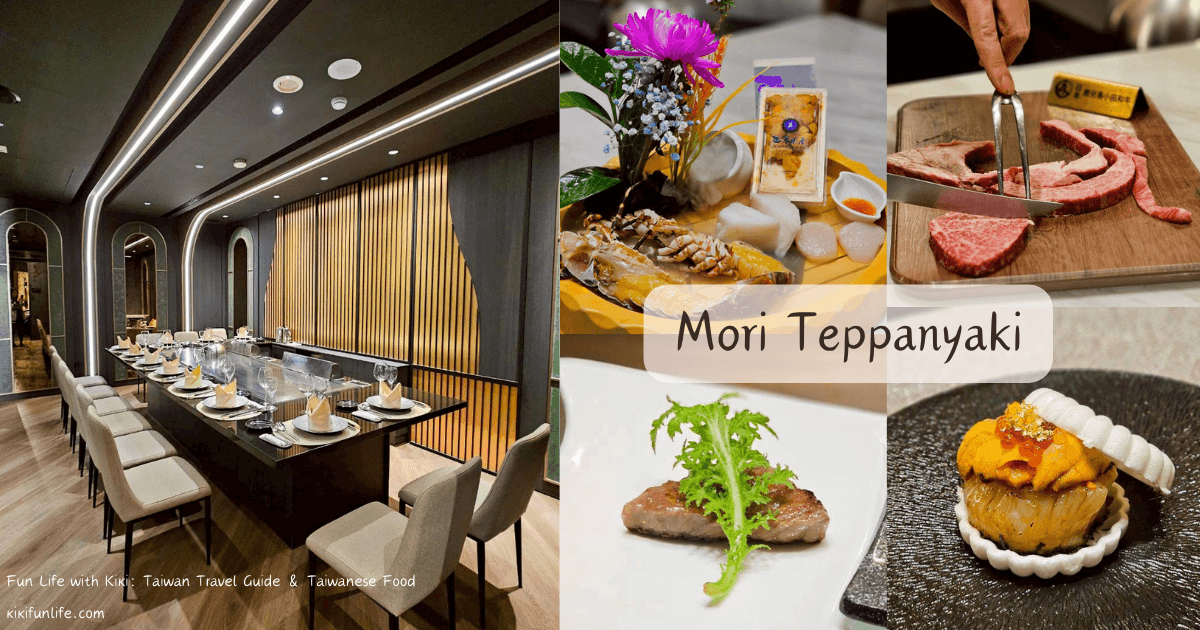

⬇️Table of Contents ⬇️
Michelin Guide Recommended Restaurant in Taichung
When you walk into any teppanyaki restaurant, the chef will always ask: “How would you like your beef? Rare, medium rare, medium, or well done?”
After the steak is seared, it is sliced, plated, and served. That rhythm has almost become our fixed impression of what “eating steak” means.
But Mori Teppanyaki, a highly-rated fine dining restaurant in Taiwan, is frequently featured in many Taichung food guide recommendations and completely overturns that perception.
At Mori Teppanyaki, enjoying Wagyu beef is not just about choosing a level of doneness, which sets it apart from a typical steakhouse in Taichung city.
In here, the Wagyu is not served all at once. Instead, it is presented slice by slice, following the natural rhythm of your dining pace—like watching a master chef perform a live culinary show that embodies true artisan spirit.
Through precise heat control on the iron griddle, refined knife techniques, and decades of accumulated experience, the chef transforms a single ribeye cut into multiple textures and layers of flavor.
This culinary technique is nearly unheard of worldwide and is one reason many diners consider Mori the best teppanyaki in Taiwan.
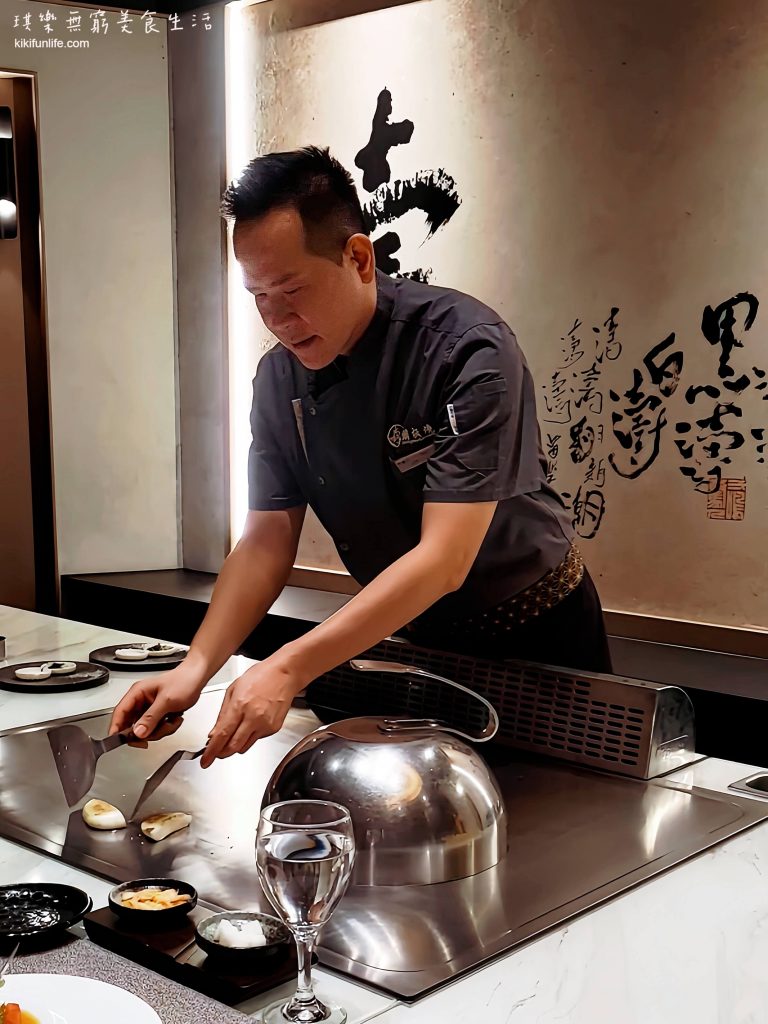
While dining, I heard the chef explain that more than 20 years ago—long before healthy eating and oil-free cooking became mainstream trends—Mori Teppanyaki had already developed its signature “oil-free teppanyaki cuisine.”
Founder Chef Pao-tien Kuo’s philosophy was never simply about promoting health. It was about pursuing a purer, stricter standard in cooking. If the ingredients are truly fresh, there is no need for additional oil or heavy seasoning to mask or decorate them.
If you are wondering where to eat in Taichung, I consider Mori Teppanyaki one of the must-eat restaurants because it completely reshaped my understanding of teppanyaki.
It is to my surprise that teppanyaki can be this refined, this precise, and this elevated.
Luxury Restaurant in Taichung
At the end of 2025, Mori relocated near the Taichung Diamond Marriott Hotel and the luxury residences of Taichung’s 7th Redevelopment Zone.
Today it is recognized as one of the best restaurants in Taichung Taiwan, especially among fine dining spots in Xitun District.
Upon arriving at Mori’s new location, the first thing you notice is the dramatic black façade with vertical metal grilles.
It is clear that the owner invested great thought into the architecture. Even from the outside, the restaurant leaves a lasting impression.
The entire building is designed in deep tones. Inside, smooth and rounded architectural lines create a sense of power without losing softness.
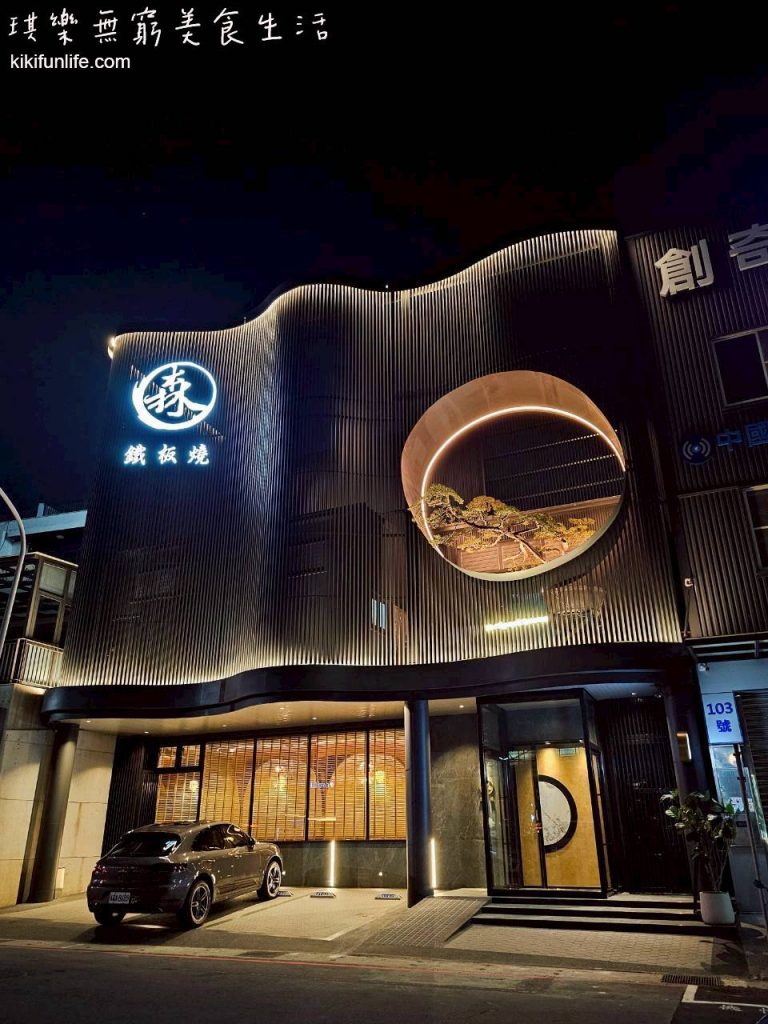
The exterior’s vertical metal grilles form wave-like contours, adding movement to the structure.
The most eye-catching feature is the large circular window at the center of the building.
Inside the frame stands a sculpted pine tree, illuminated by a ring of soft lighting, creating the feeling of a living Eastern landscape painting.
There are parking spaces directly in front of the restaurant, as well as contracted parking nearby—making it a convenient fine dining restaurant in Taichung, Taiwan.
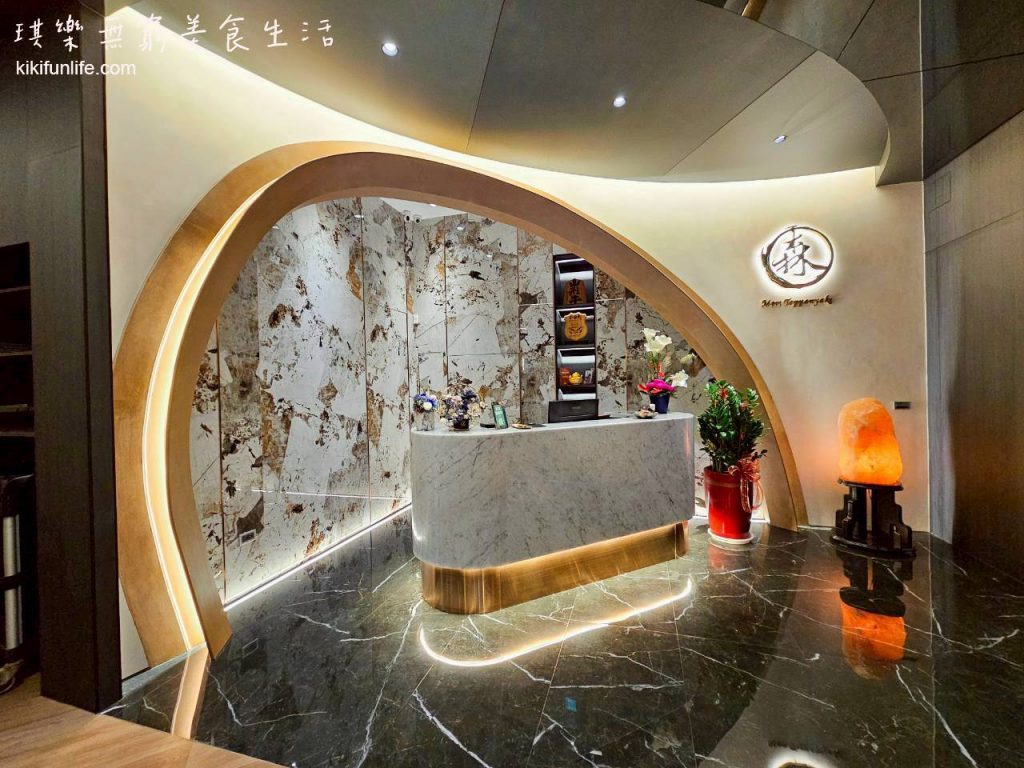
As you enter, you immediately feel an atmosphere of luxury.
Curved archways define the space. Natural marble walls, titanium-plated metal accents, and warm lighting create a modern yet welcoming aesthetic.
Flowing curved lines guide your vision throughout the space. Even before sitting down, you naturally slow your pace. It feels like the beginning of a refined dining ritual.
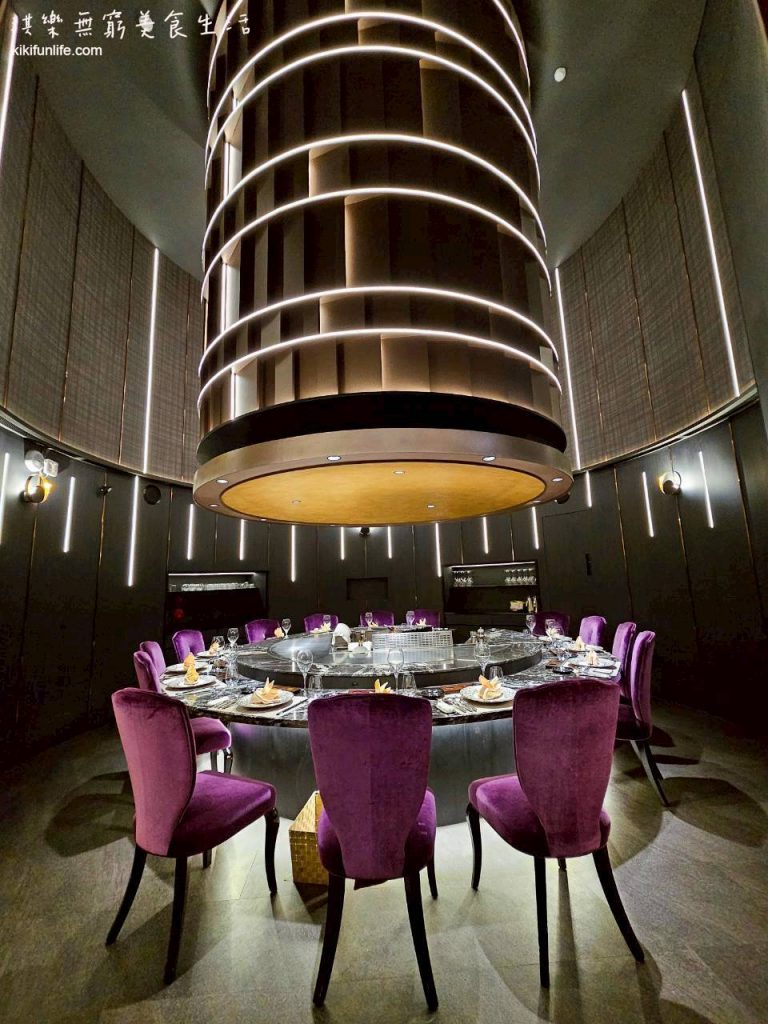
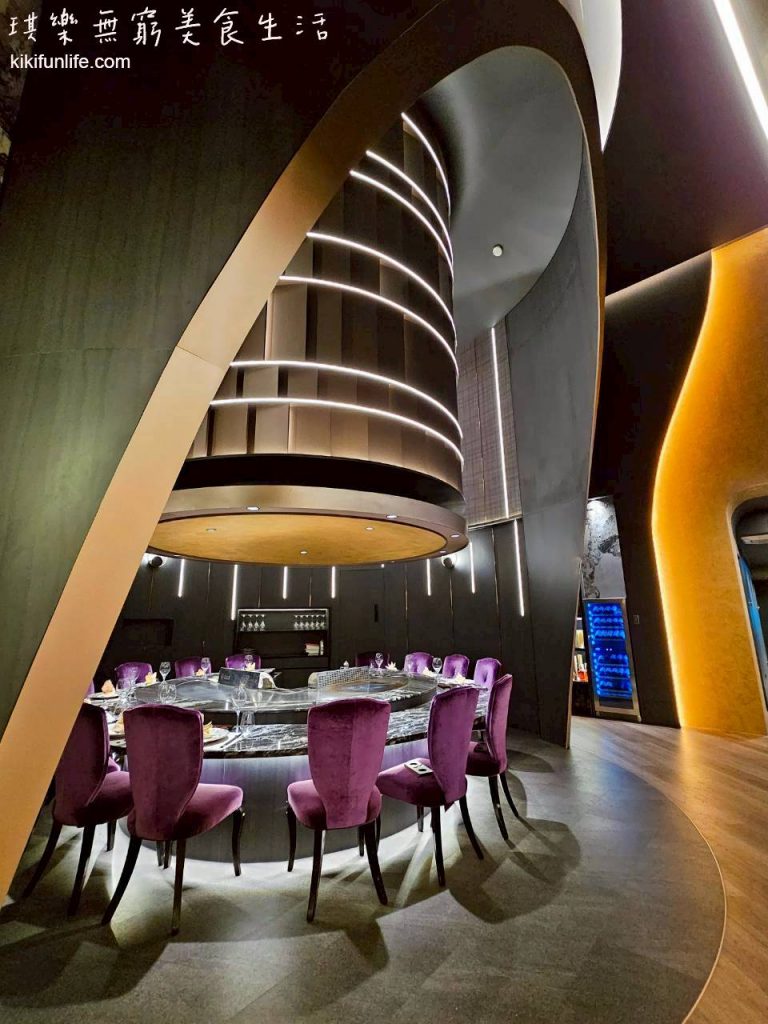
One of the most impressive features is the circular teppanyaki table area called “Mu Ye Pavilion.”
This concept was personally envisioned by Vice President Pao-tien Kuo in collaboration with the design team.
Warm lighting surrounds the cylindrical structure. Each beam of light and every curve creates a sense of security and exclusivity for every gathering.
The concept combines the warmth of wood with the brilliance of fire. The circular layout symbolizes gathering and sharing.
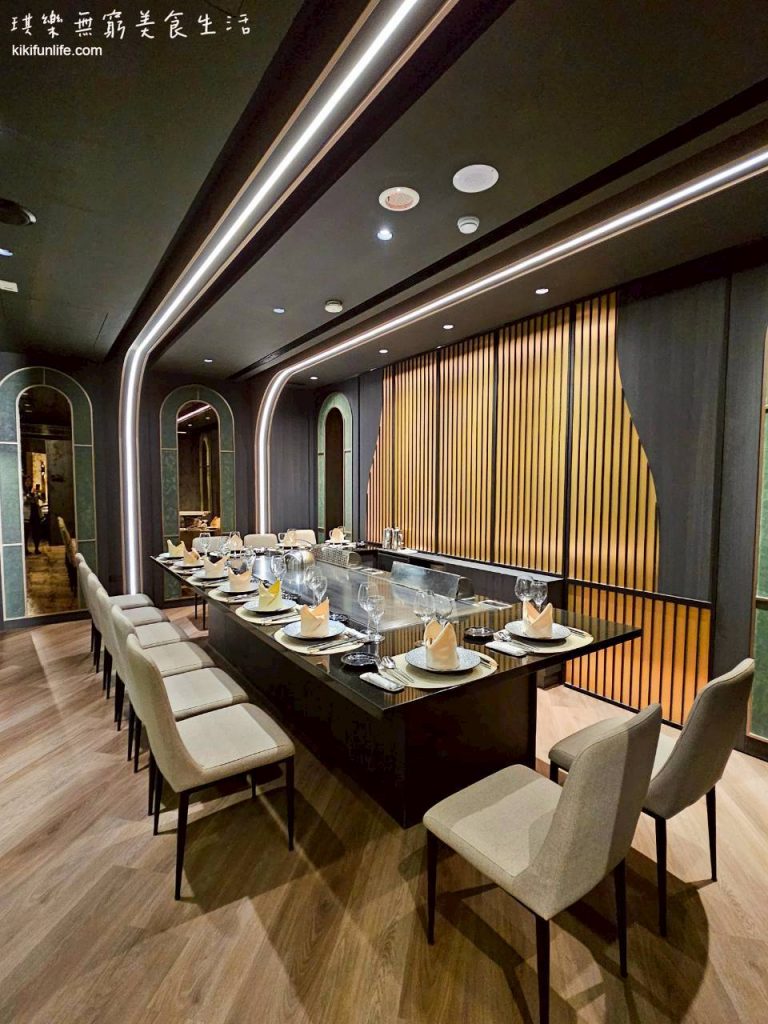
Mori Teppanyaki also offers several private dining rooms of various sizes, making it an excellent place for a Taichung romantic dinner for couples.
From intimate two-person rooms to larger rooms accommodating more than ten guests, each private room provides a sense of privacy without disturbance.
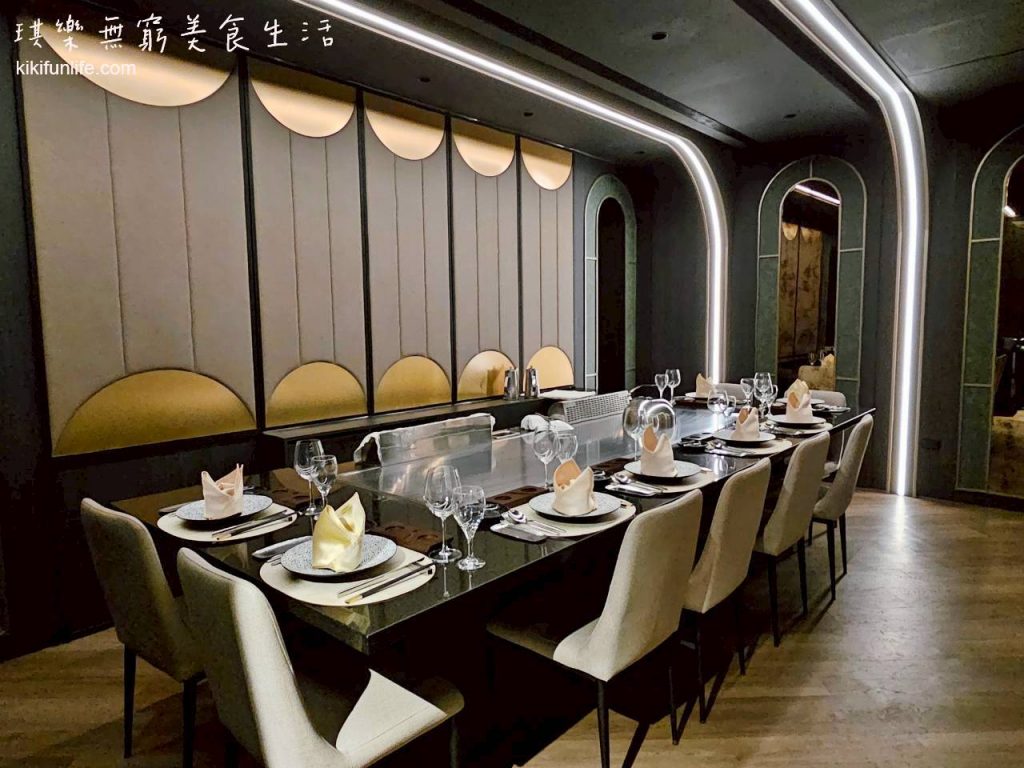
The ceiling design inside the private rooms enhances visual height, creating an open and spacious atmosphere that feels refined but not cold.
The small private room where we dined featured a large calligraphy artwork as the visual centerpiece.
Stone textures and ink brush strokes complemented each other beautifully. The quiet atmosphere reflected ultimate taste and elegance.
This is the only small private room, and it easily ranks among the best Taichung special occasion restaurants for intimate private dining experiences.
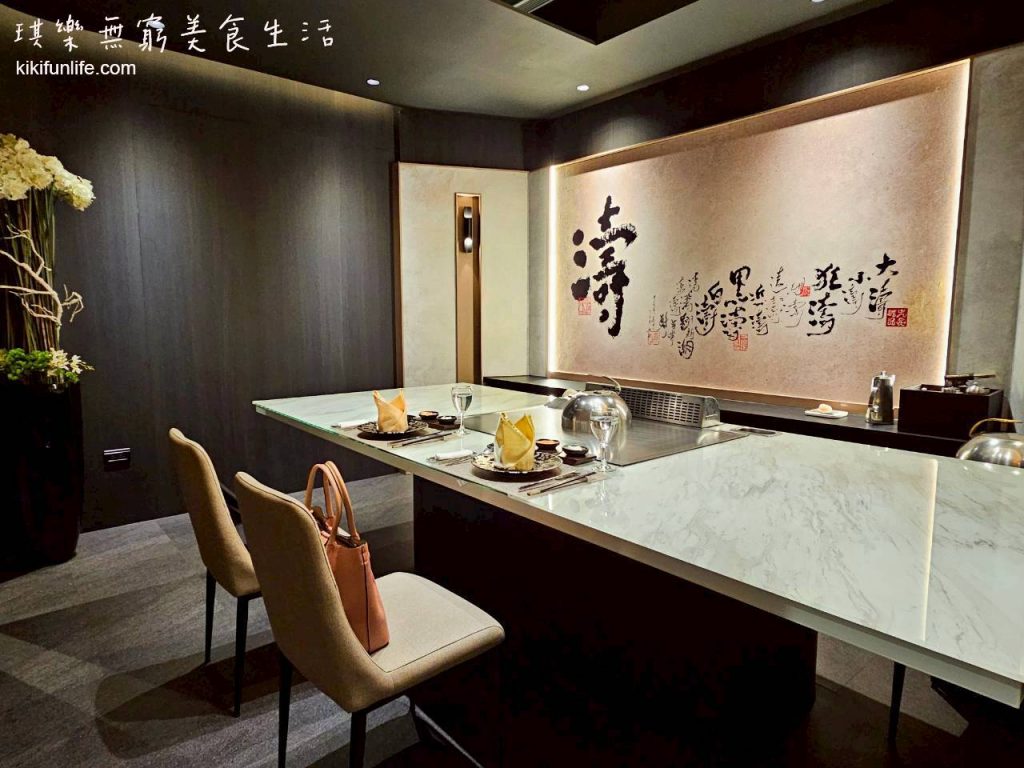
The iron griddle used at Mori Teppanyaki reflects the craftsmanship expected from high end teppanyaki Taichung dining experiences.
It is certified to meet high safety standards and does not release any chemical substances even under prolonged high heat.
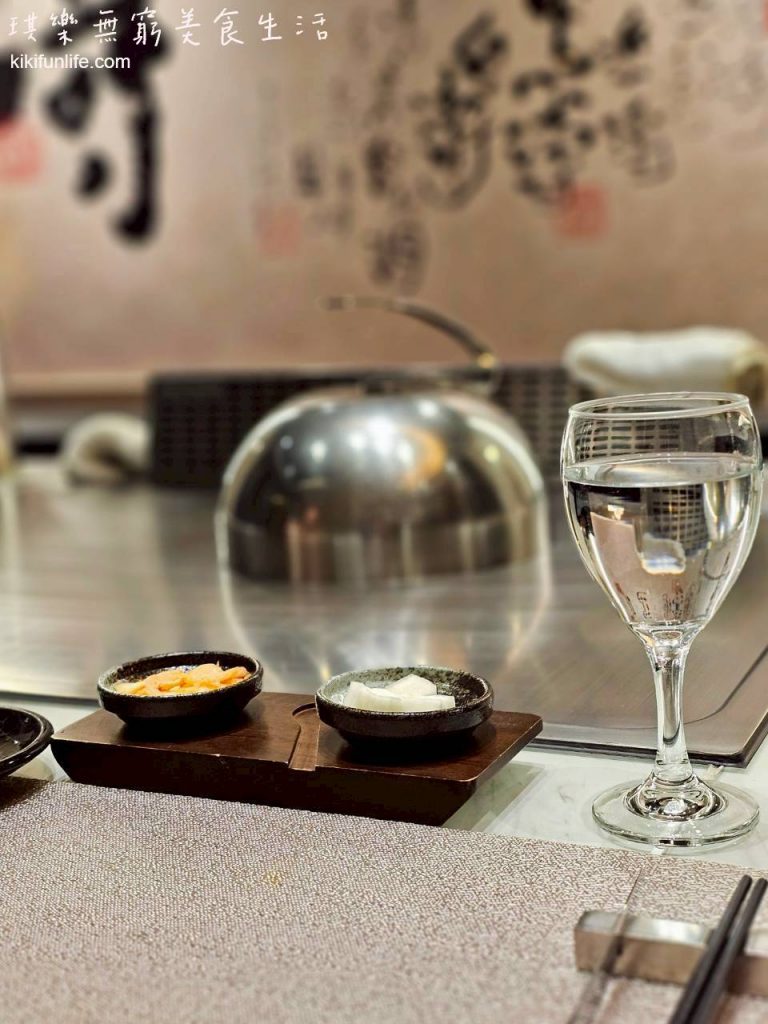
Dark wood paneling surrounds the walls, and the stone-patterned tabletops showcase refined texture.
Seated around the grill, every degree of heat and every aroma becomes a live performance.
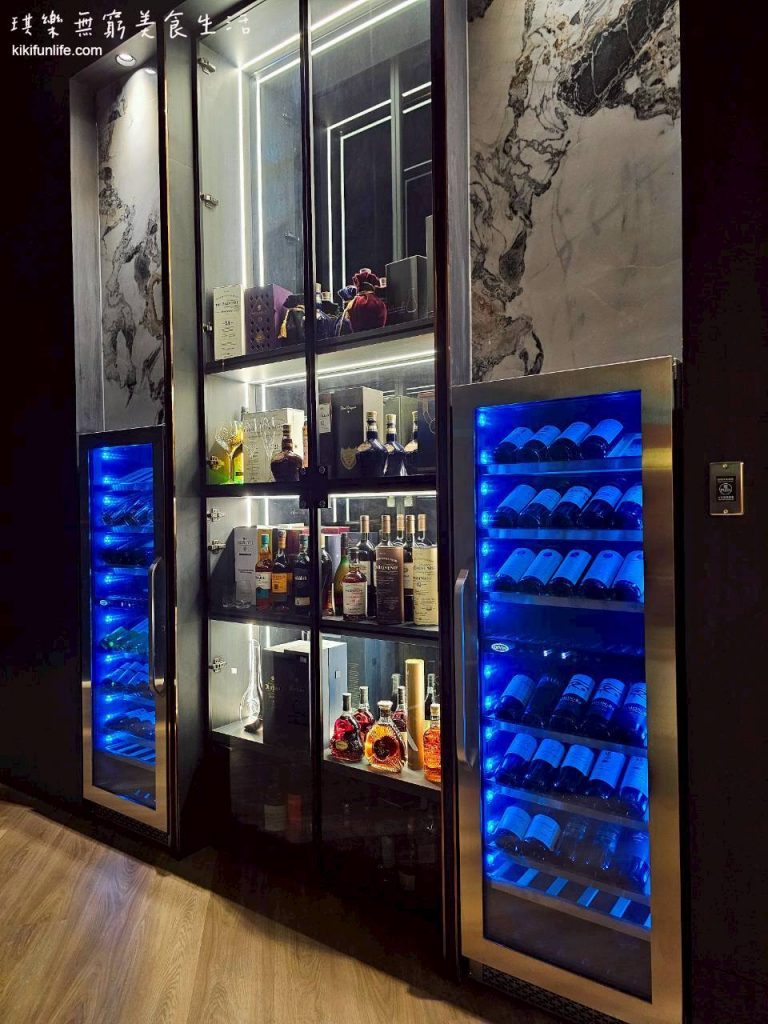
The restaurant also features a separate dessert area, distinct from the main teppanyaki space.
When you move to the dessert area after the main course, the atmosphere naturally becomes more relaxed.
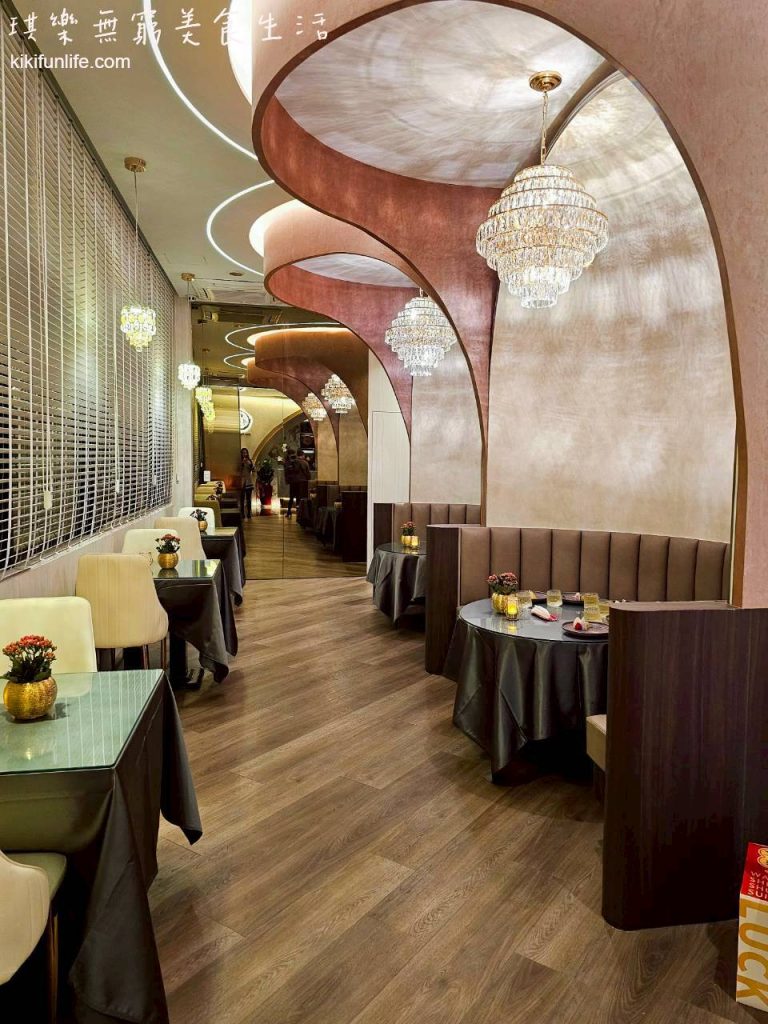
Overall, from architectural design to lighting and material selection, Mori Teppanyaki is truly a hidden fine dining gem in Xitun and one of the must eat restaurants in Taichung.
Mori Teppanyaki’s Brand Philosophy
If you simply regard Mori Teppanyaki as an ordinary high-end restaurant in Taichung, that would be a pity, especially since it is often included in Taichung fine dining recommendations.
What has sustained Mori for more than 20 years is not luxurious decoration, but Chef Pao-tien Kuo’s almost stubborn culinary belief.
Before founding Mori Teppanyaki, Chef Kuo had already accumulated decades of practical experience in teppanyaki cuisine.
He stands in front of the iron griddle every day, repeatedly confirming temperature, timing, and ingredient conditions.
For him, the teppanyaki grill is not a stage, but a testing ground.
Heat control, timing precision, and ingredient quality are magnified under high temperatures.
This is why Mori Teppanyaki established a clear direction from the very beginning: Cooking should not rely on oil or heavy sauces to create impact. The ingredient itself must be the protagonist.
Twenty years ago, when Chef Kuo began developing oil-free teppanyaki, it was not well-received by the market.
Most people assumed that teppanyaki without oil could not possibly taste good.
But he knew the true key was never oil. It was freshness, temperature control, and precise timing.
Without oil as a buffer, everything becomes direct. If the ingredient is not fresh, it shows immediately. If the technique is not precise, there is no room for error.
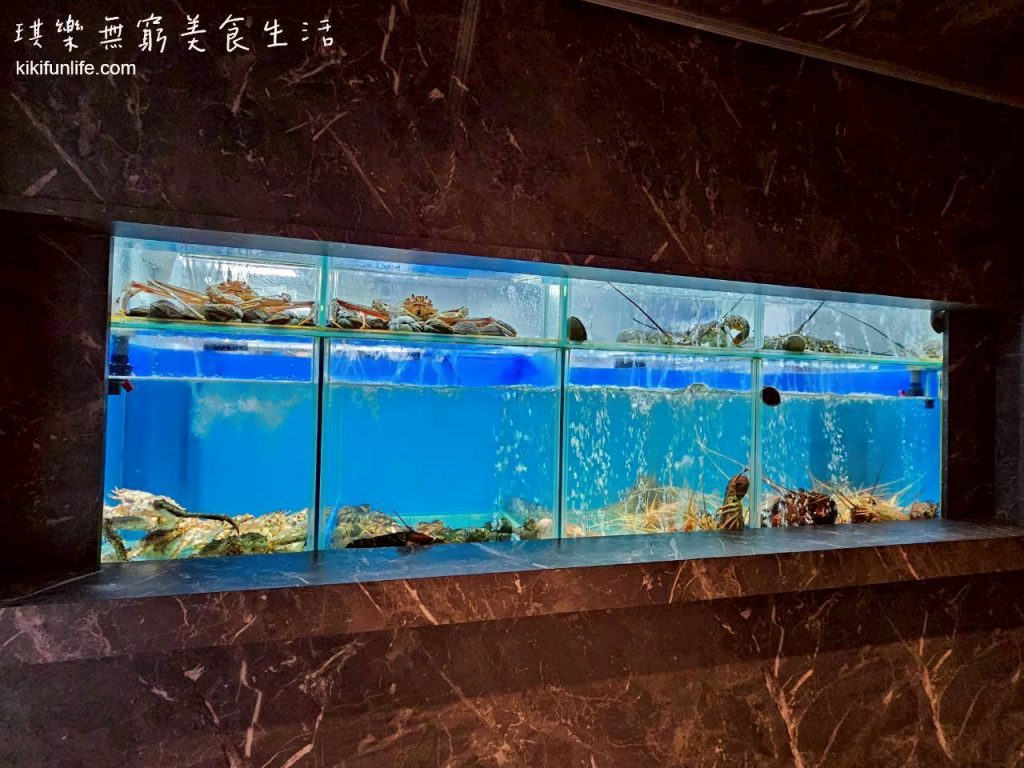
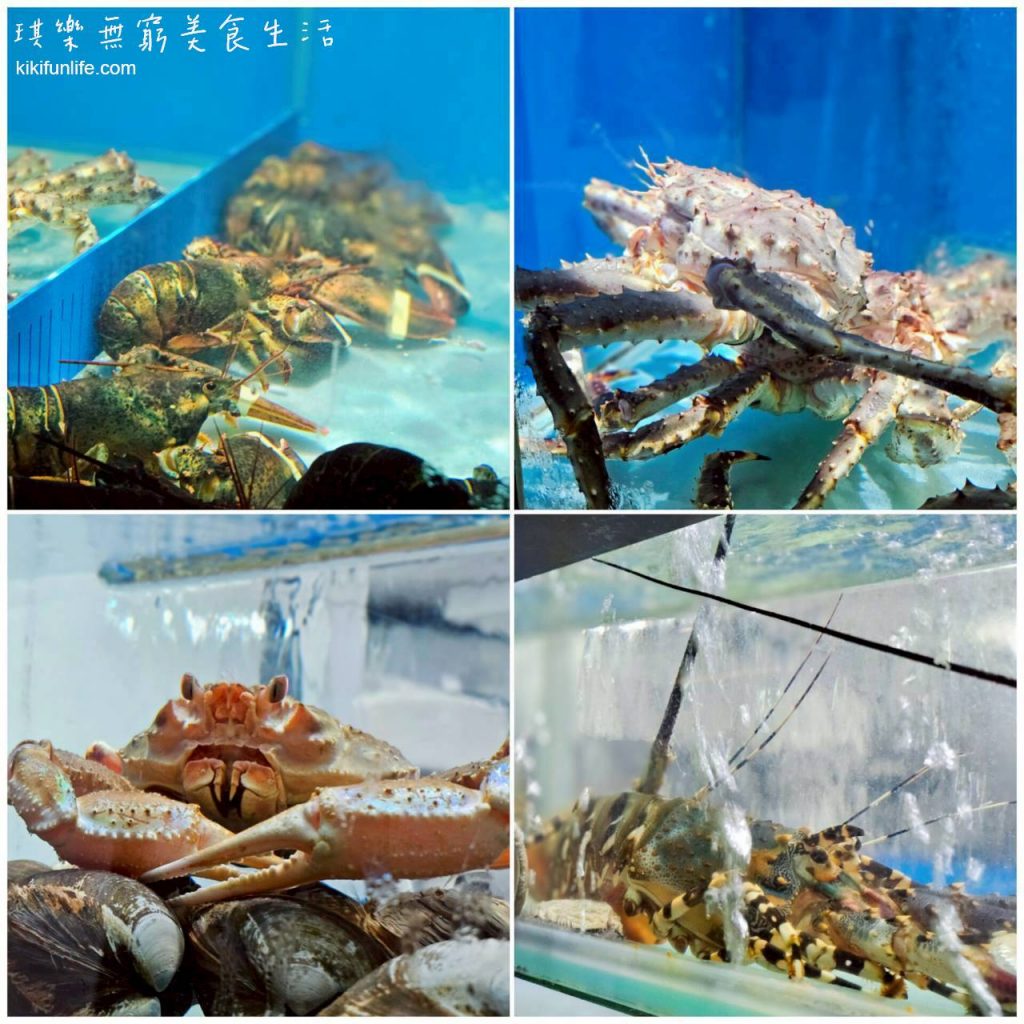
For this reason, Mori is extremely strict about sourcing ingredients. Vegetables, fruits, seafood, and even beef suppliers are personally selected and confirmed by Chef Kuo.
In an industry focused on efficiency and cost, this level of dedication is rare. But it is exactly this insistence that defines Mori’s standard.
Another core philosophy is embodied in the Deconstructed Beef Course.
After years of observing the teppanyaki market, Chef Kuo realized that most steak dishes focus only on doneness—rare, medium, or well-done.
So he began asking: Can a single cut of beef be understood more completely?
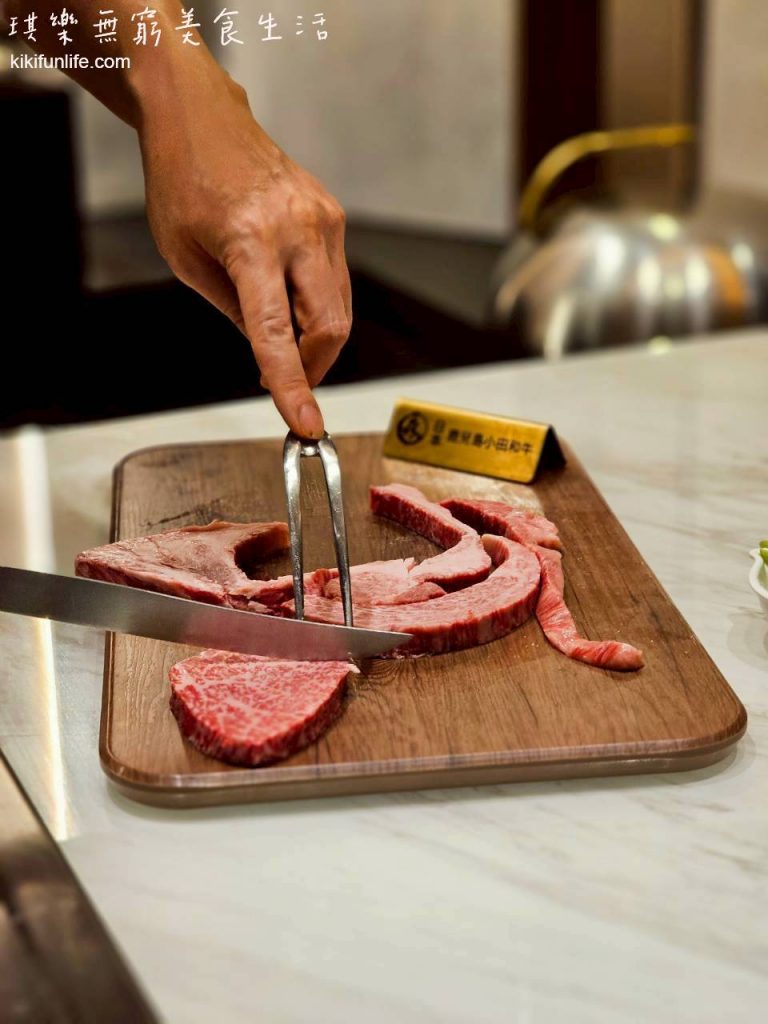
After years of testing and refinement, this question evolved into Mori Teppanyaki’s exclusive Deconstructed Beef Course system.
Through different cutting techniques and varied heating durations, the same cut is divided into multiple expressions, each presented at its optimal state.
This is not innovation for the sake of novelty. It is about allowing the full flavor and texture of Wagyu beef to be expressed perfectly.
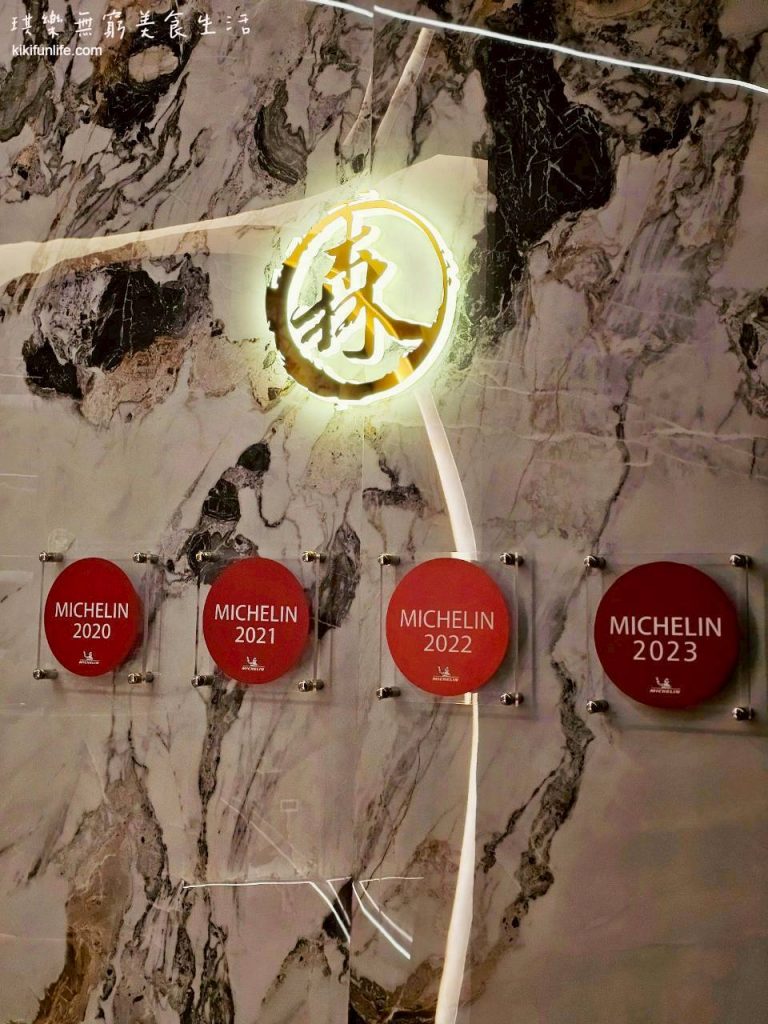
In the eyes of many, Mori Teppanyaki is a Michelin-recommended restaurant in Taichung, selected for many years in the Michelin Guide Plate.
But for Chef Pao-tien Kuo, such recognition is not the end—it is simply a response to years of dedication.
Oil-Free Teppanyaki Cuisine
During this visit to Mori Teppanyaki, a popular teppanyaki restaurant Taichung food lovers often recommend, we selected the limited Lunar New Year set menu.
From appetizer, salad, soup, and bread, to three seafood courses, the main meat course, beverages, and seasonal fruit, the entire progression was thoughtfully arranged.
The portion size was satisfying without feeling heavy. The focus remained consistently on ingredient quality and precise heat control.
Mori’s Appetizer
he first dish served was a dual cold appetizer platter.
The matcha yam with caviar featured purple mountain yam.
It had a crisp and firm texture, while the surface retained the yam’s natural silky consistency.
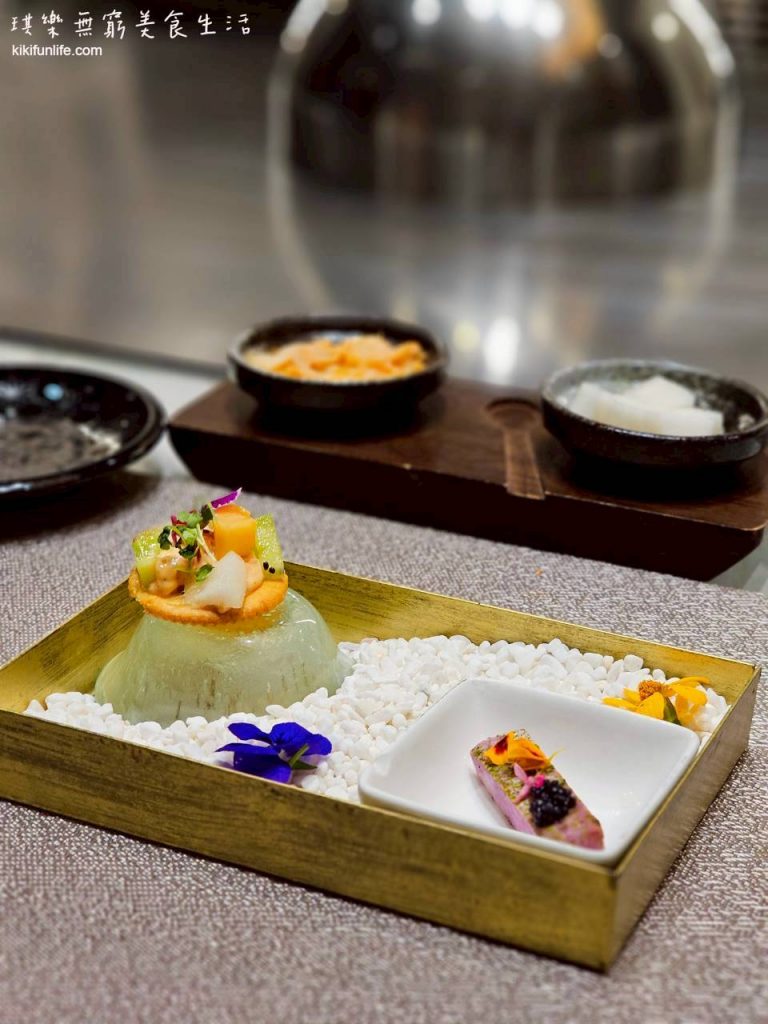
The light dusting of matcha powder did not overpower the flavor. Instead, it created a refreshing, slightly sweet finish.
The caviar’s delicate salinity naturally enhanced the clean base flavor, creating a transition from refreshing to refined.
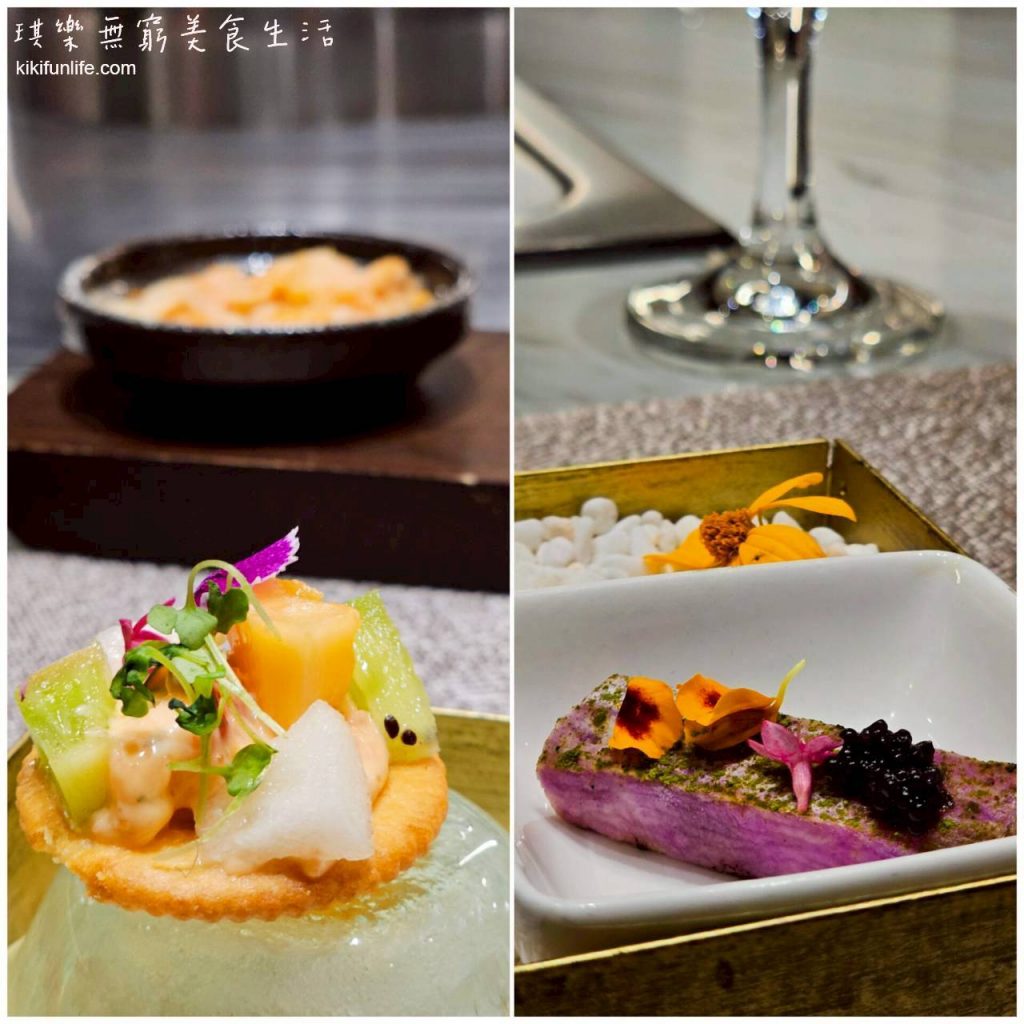
The other appetizer, lobster salsa crisp with diced fruits, combined a crispy cookie with lobster salad and finely chopped fruit.
The first bite was crunchy, followed by the sweetness of seafood intertwined with bright fruit aromas.
As an opening course, the balance and pacing were perfectly executed.
Mori’s Salad
Mori’s Salad is presented inside a hollowed whole tomato.
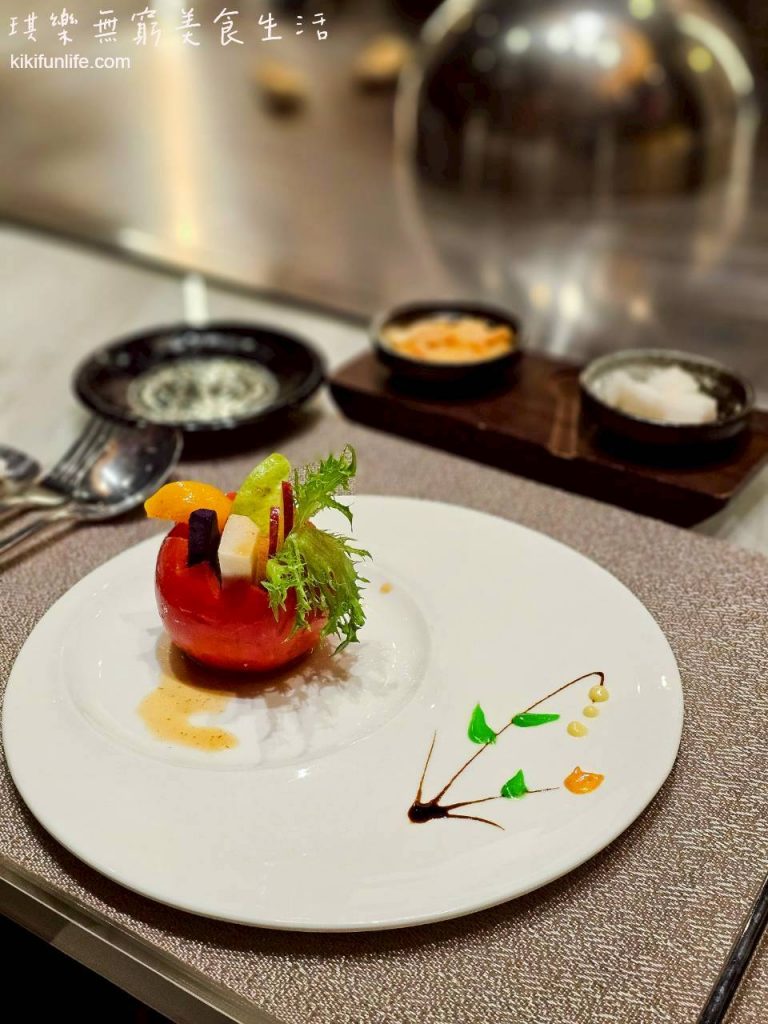
Inside are lettuce, apple, peach, guava, and purple sweet potato.
When cutting into the tomato, the Japanese-style fruit dressing flows naturally. The dressing is sweet and tangy, light and refreshing, never heavy, and it does not mask the fruit’s natural fragrance.
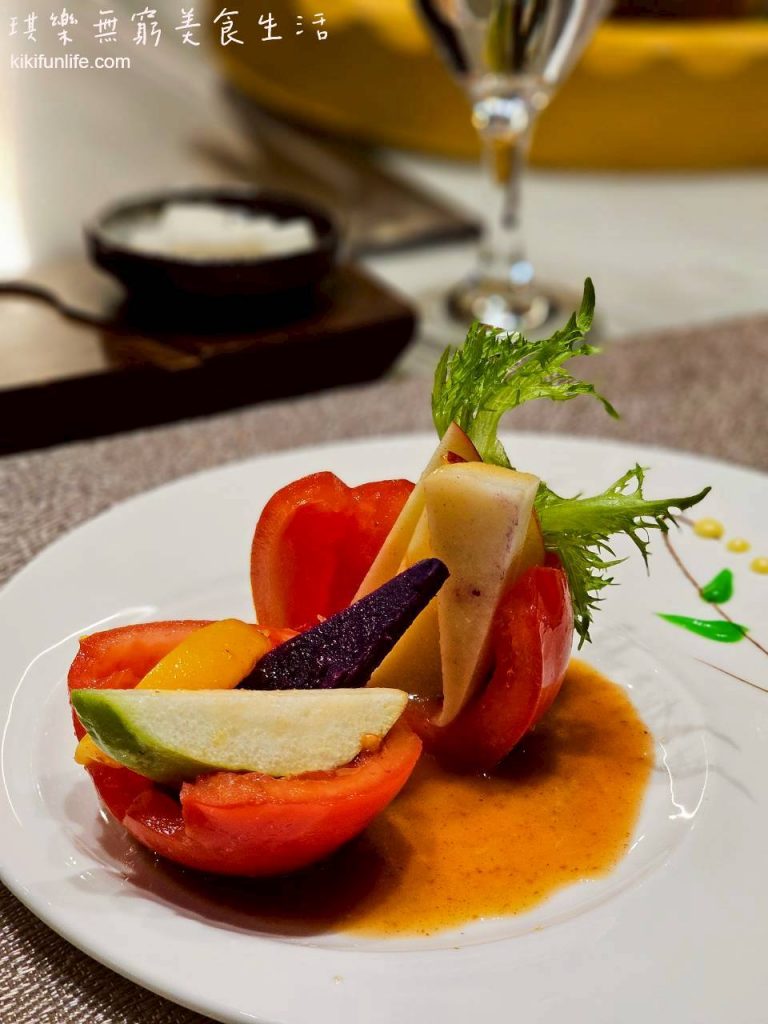
It is worth mentioning that Mori Teppanyaki updates its appetizers frequently—approximately every two weeks.
Whenever Chef Pao-tien Kuo develops new ideas, the dishes evolve accordingly.
Each visit offers something fresh.
Soup of the Day & Toasted Bread
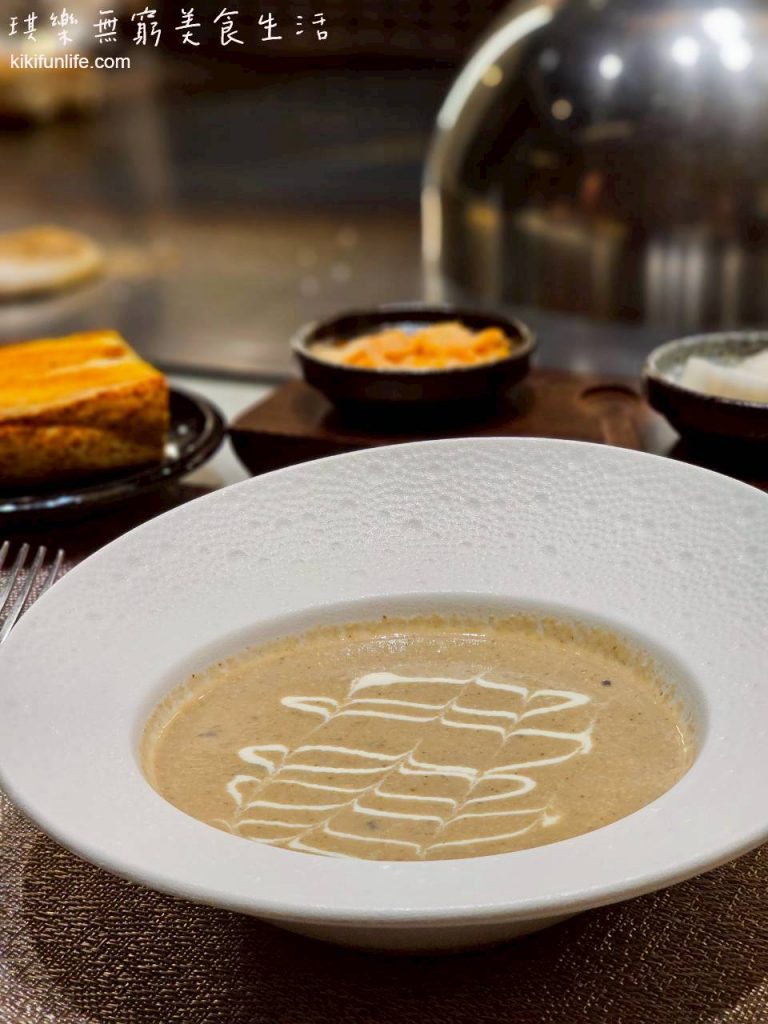
There are four soup options: Seafood Clear Soup, Creamy Pumpkin Soup, Creamy Truffle & Mushroom Soup, and Italian Tomato Soup.
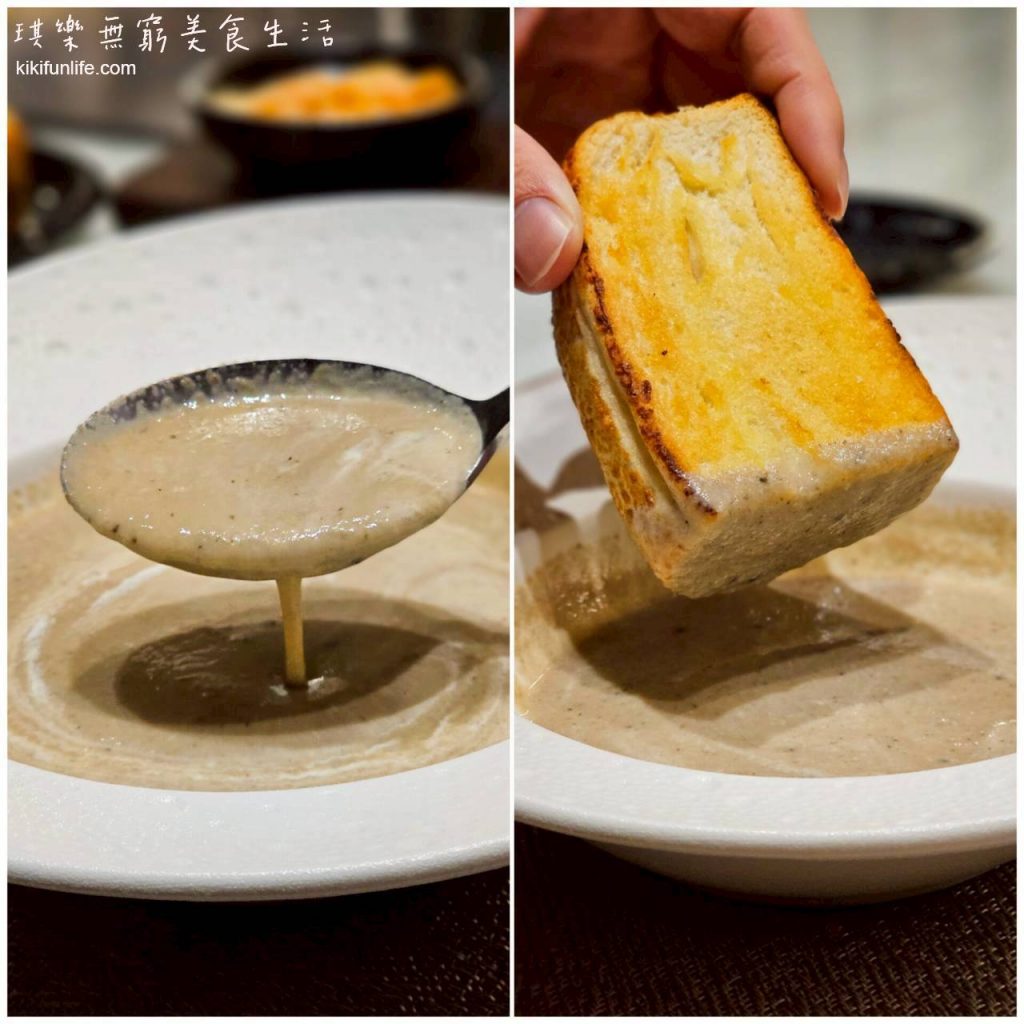
The Creamy Truffle & Mushroom Soup is smooth and velvety, with a rich aroma that is never overwhelming.
Paired with freshly toasted bread, the layers of fragrance become even more pronounced.
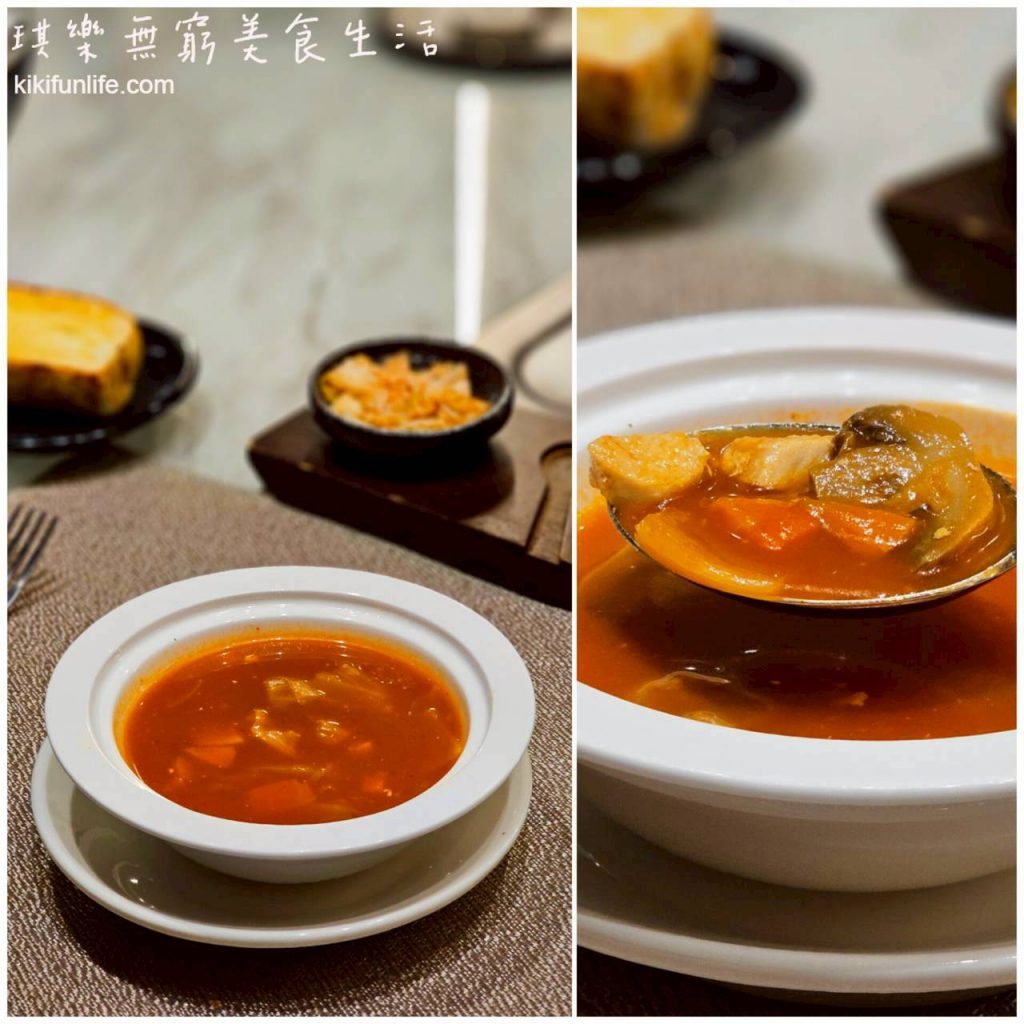
The Italian Tomato Soup uses a clear broth base, enriched with fresh diced tomatoes, mushrooms, carrots, and chicken.
The flavor is bright and slightly tangy, yet full-bodied and layered.
The Seafood Clear Soup delivers a pure and clean taste. Shrimp, fish, squid, and clams each release their natural sweetness.
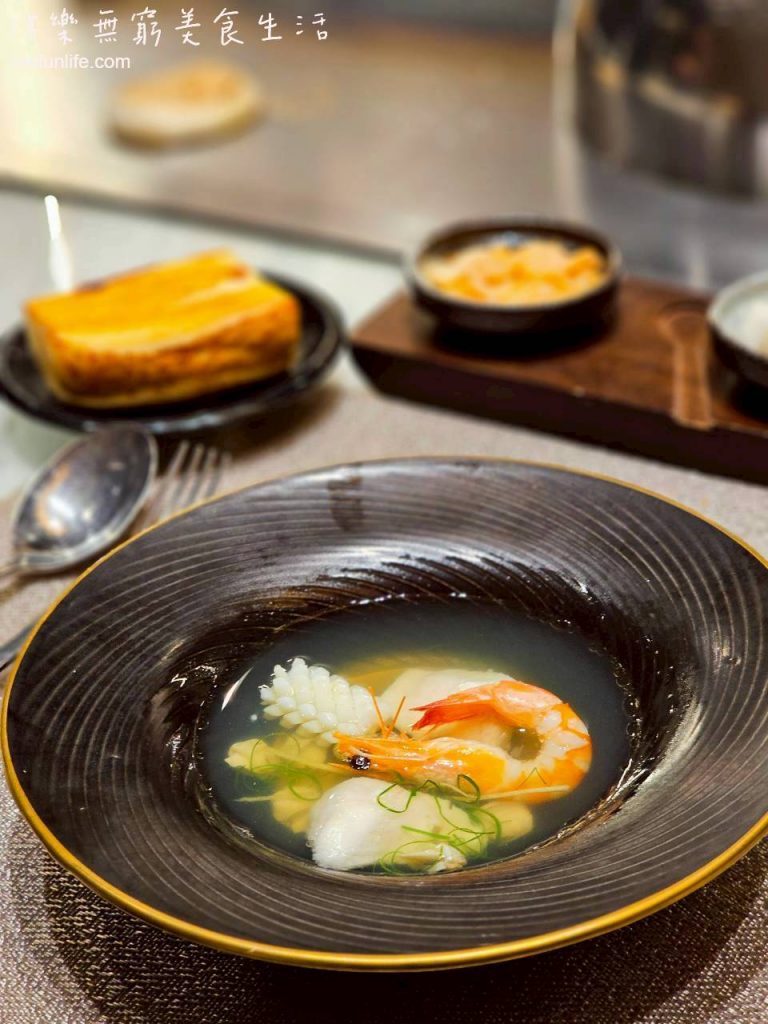
The broth is transparent and light, with almost no unnecessary seasoning—an excellent example of oil-free fine dining.
Fish of the Day
The Fish of the Day was Fresh Codfish from Alaska, served with White King Oyster Mushroom and broccoli.
The cod was seasoned only with French Mediterranean sea salt and black pepper. There were no additional sauces, no olive oil, and no butter. This dish relies entirely on the chef’s heat control.
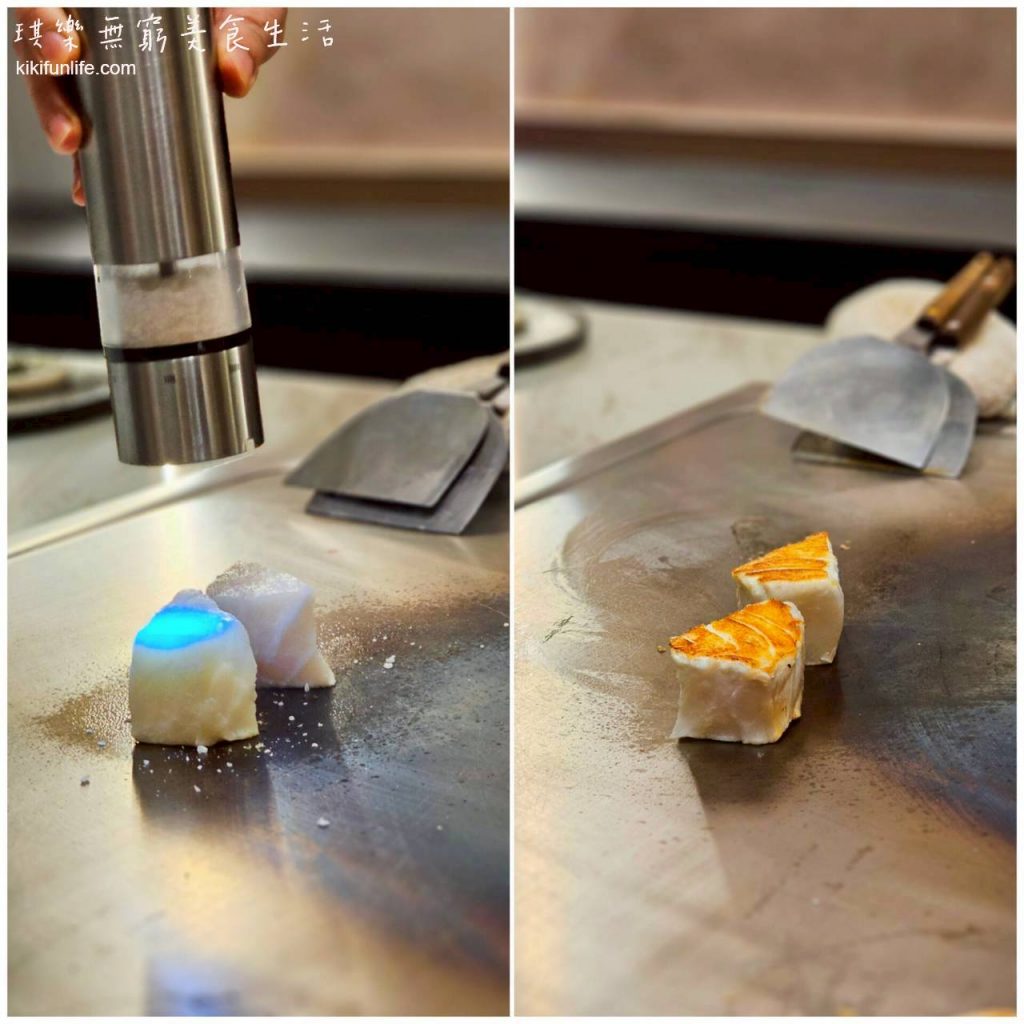
Cod has high moisture content and is thick-cut. If the heat is slightly off, the exterior can burn while the interior dries out, or the doneness becomes uneven.
But the moment I tasted it, I was genuinely impressed.
The outer layer was beautifully golden with a light crispness. Inside, the fish was so tender it almost separated on its own.
With each bite, you could feel the juices slowly releasing.
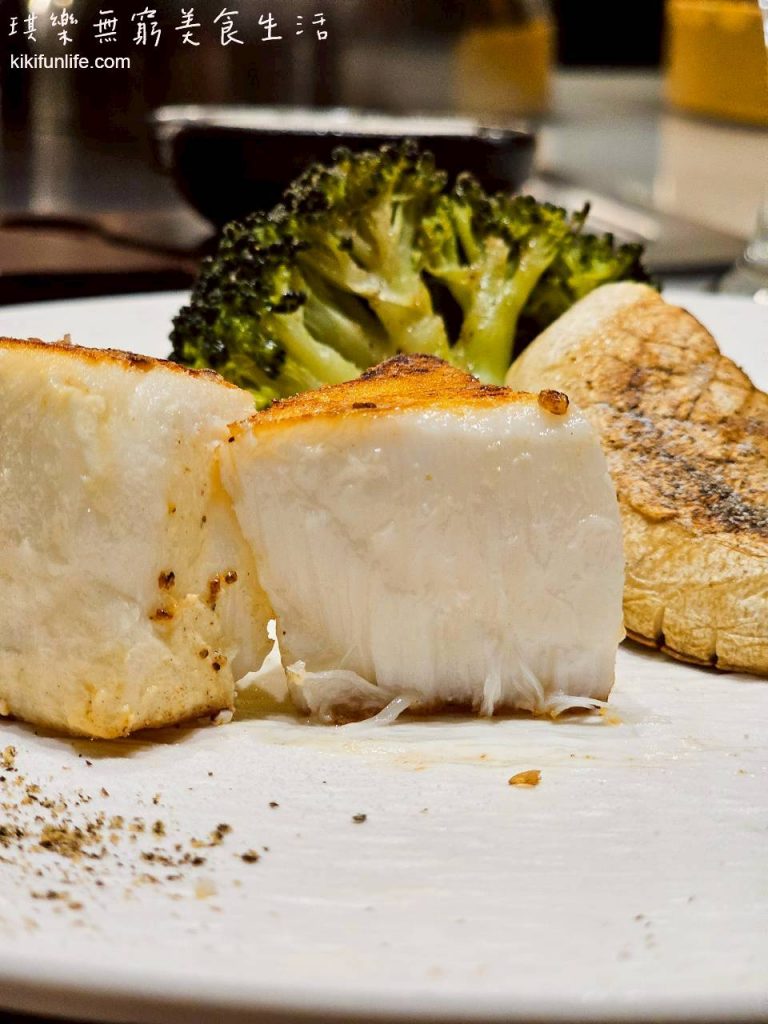
This moisture did not come from butter—it came from freshness and precise timing.
The White King Oyster Mushroom was equally impressive. After dry-searing on the iron plate, its exterior developed a slight char, while the interior retained moisture.
The texture fell somewhere between tender and crisp, remarkably similar to abalone.
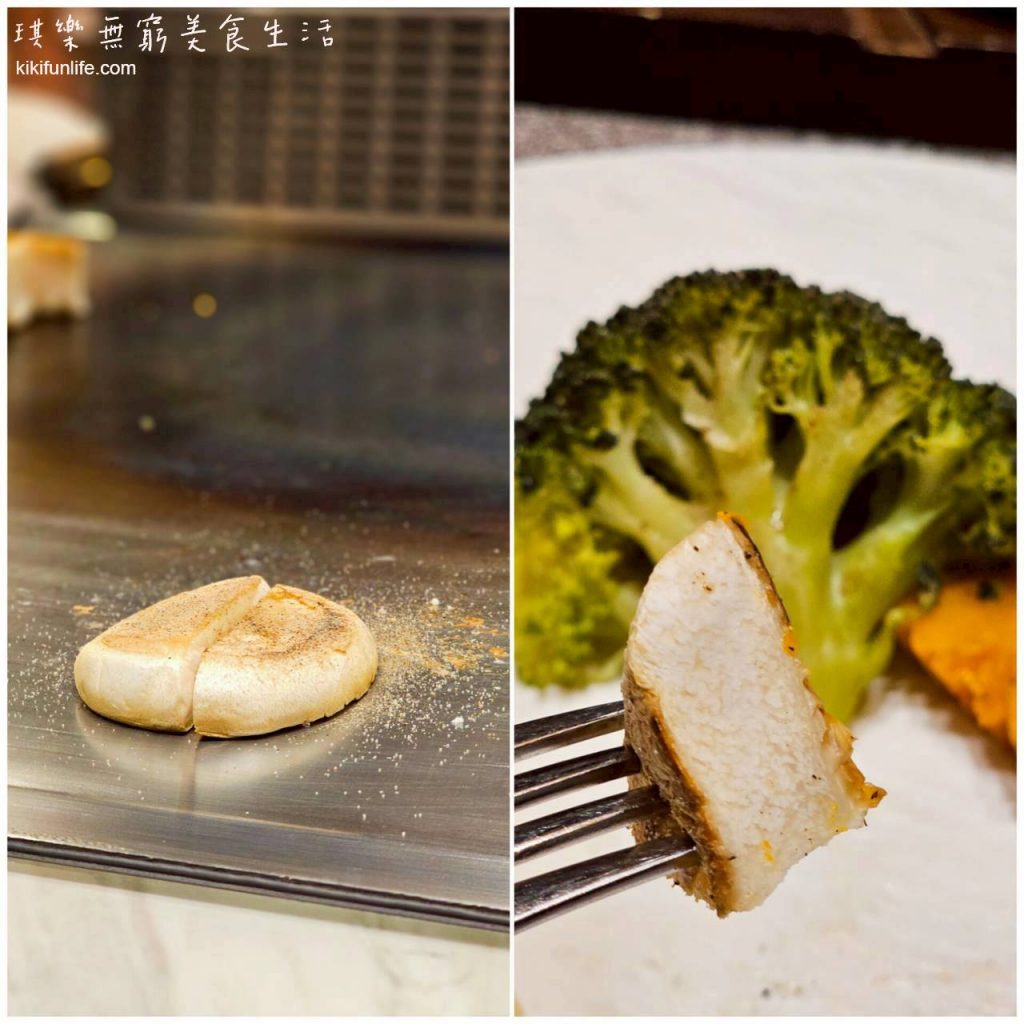
This dish perfectly demonstrates the core value of oil-free teppanyaki: Precision of heat control is more important than sauce or seasoning.
Fresh Shellfish – Handmade Sea Urchin & Hokkaido Scallop
Next came Japanese Hokkaido scallops paired with sea urchin and gold leaf, presented inside a crisp monaka wafer.
After placing the scallop on the iron griddle, the chef continuously adjusted its position to prevent bitterness from caramelized residue.
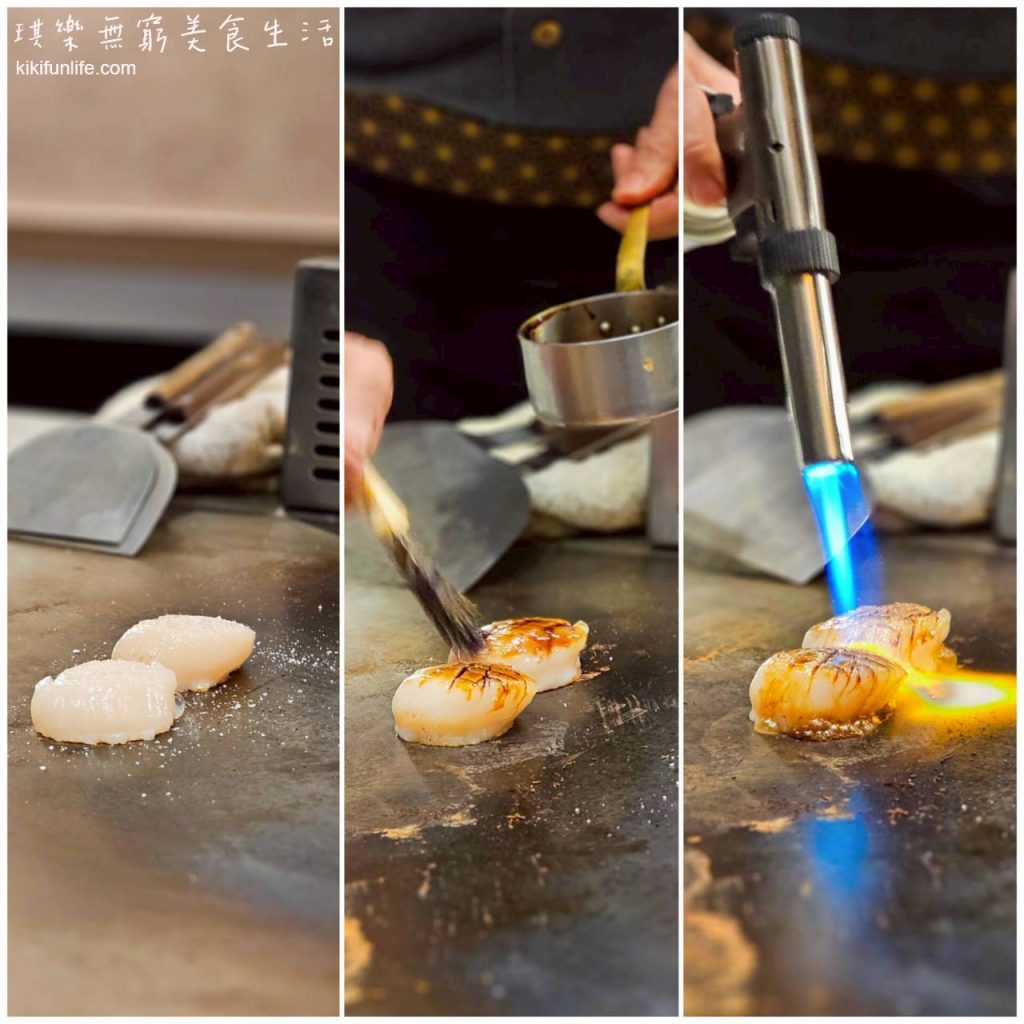
He brushed kombu-based sauce twice onto the scallop and lightly torched the surface.
The result was evenly cooked scallop with a jelly-like tenderness. There was no fibrous texture—just refined sweetness, moisture, and clarity.
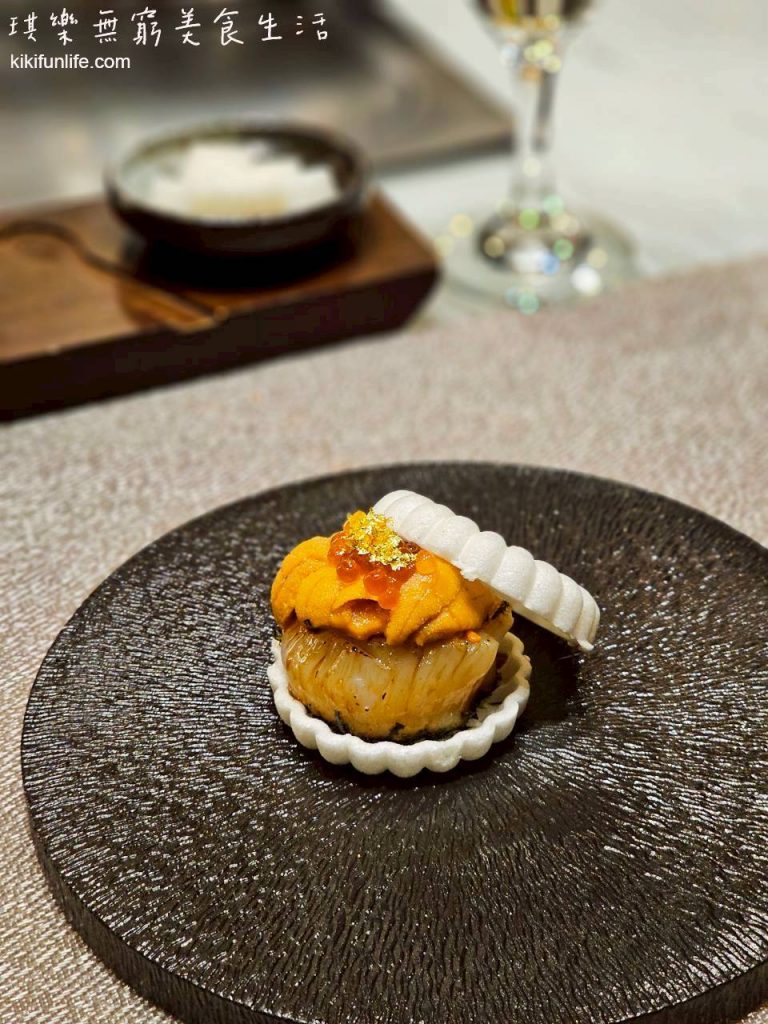
Combined with generous sea urchin and salmon roe inside the crisp wafer, the outer layer remained crunchy while the interior was delicate.
The three seafood elements intertwined beautifully, rich yet never greasy.
Live Lobster
The Lunar New Year set menu includes Canadian live lobster, with an upgrade option to Ornate Spiny Lobster of Penghu.
The cooking style remains consistent with Mori’s oil-free philosophy—no oil is added.
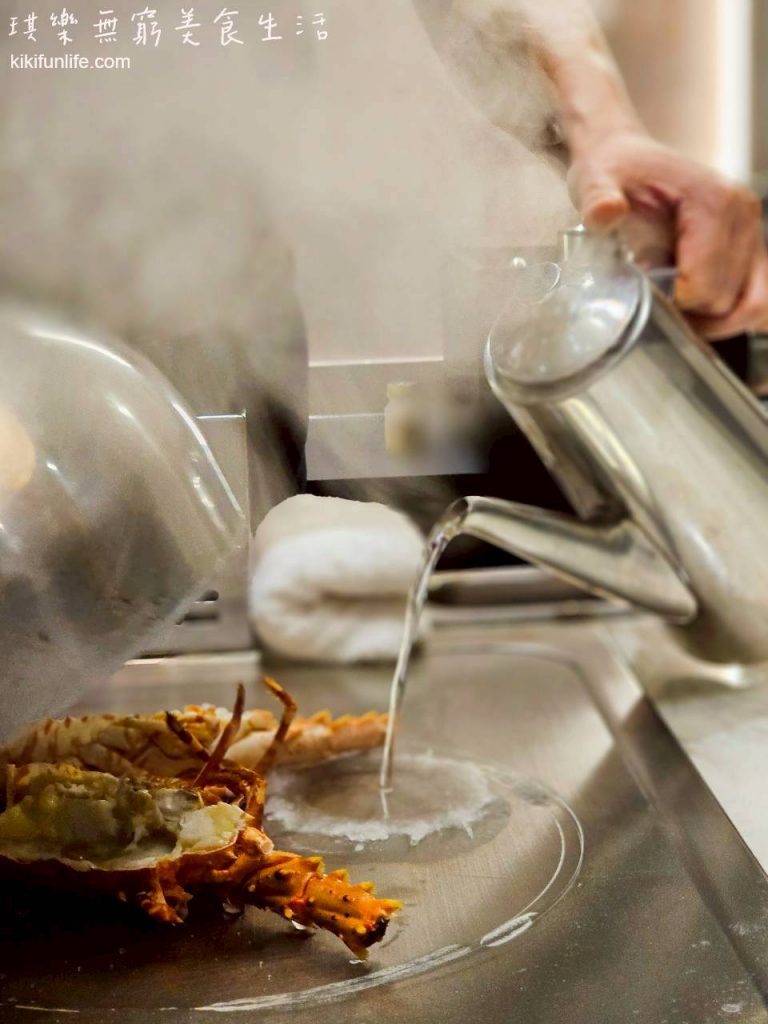
The chef first dry-sears the lobster to develop aroma on the shell and surface.
At about 20–30% doneness, he covers it briefly to allow gentle steaming.
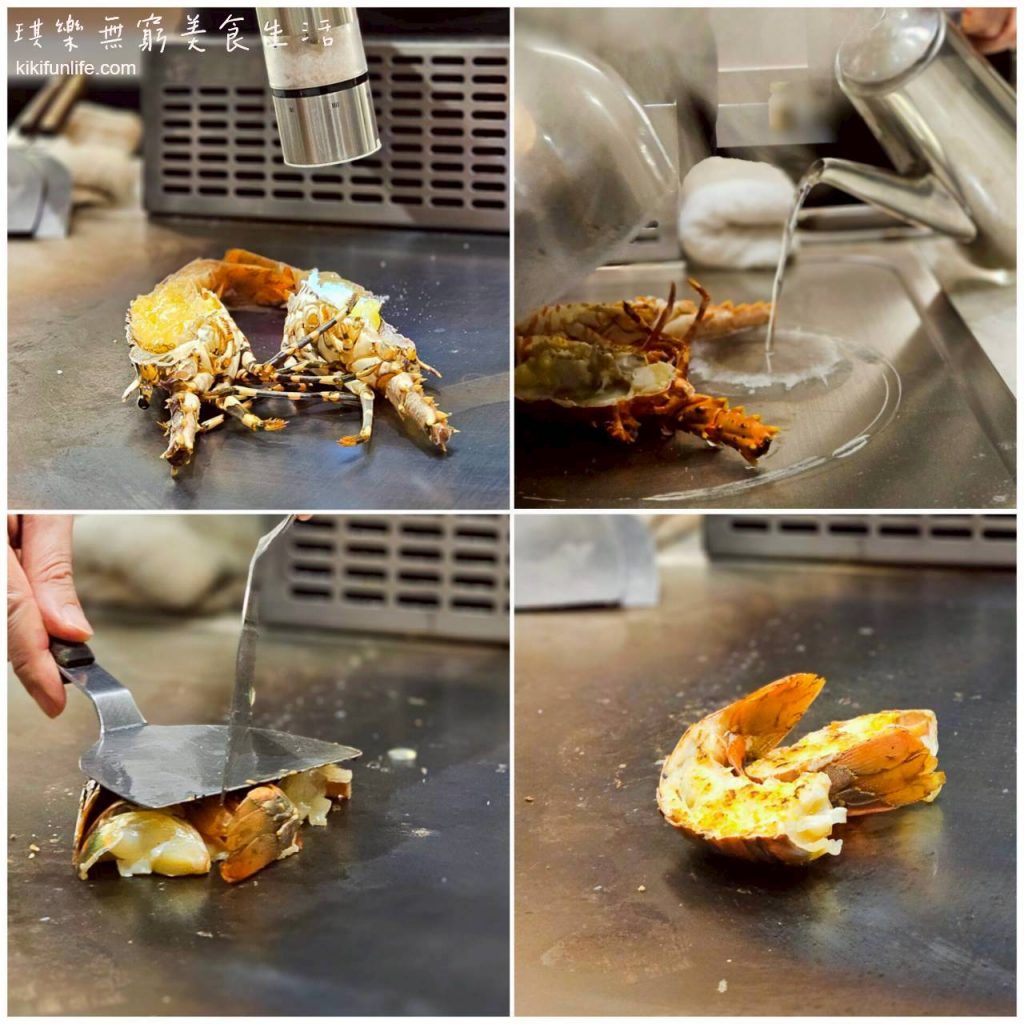
If only steamed, the lobster would be sweet but lack iron-griddle aroma. If dry-seared too long, it would become dry. This combination ensures both fragrance and moisture.
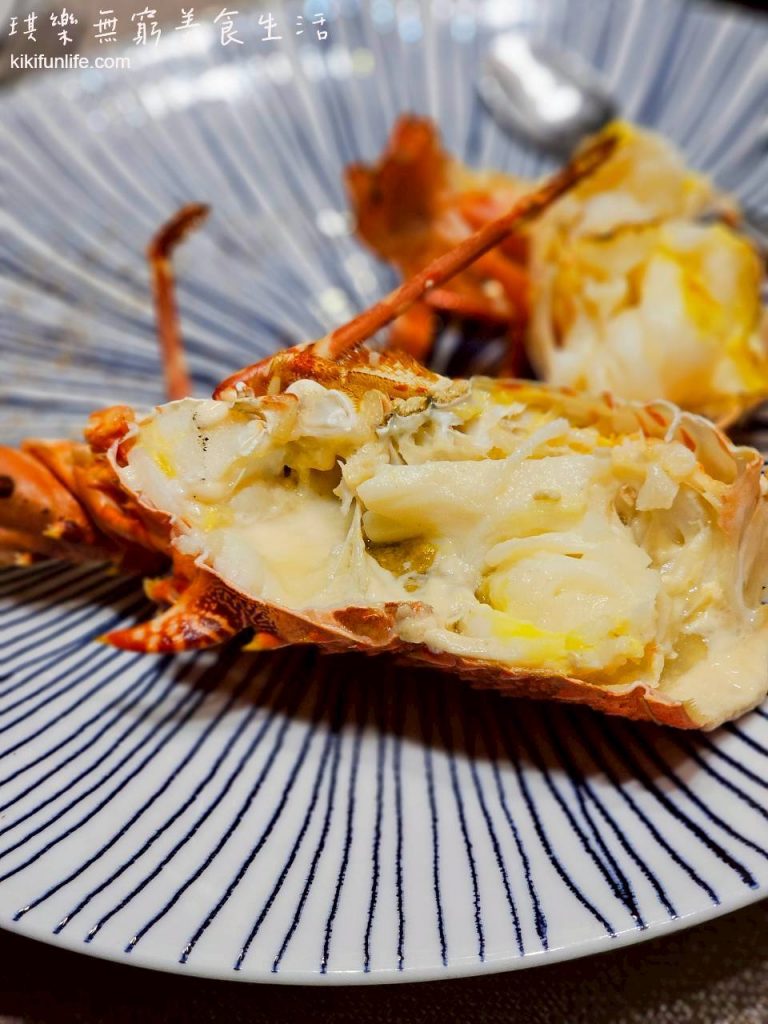
The lobster roe was rich and clean, enhancing the natural sweetness of the meat.
The outer surface had slight char, while the inside remained firm and springy.
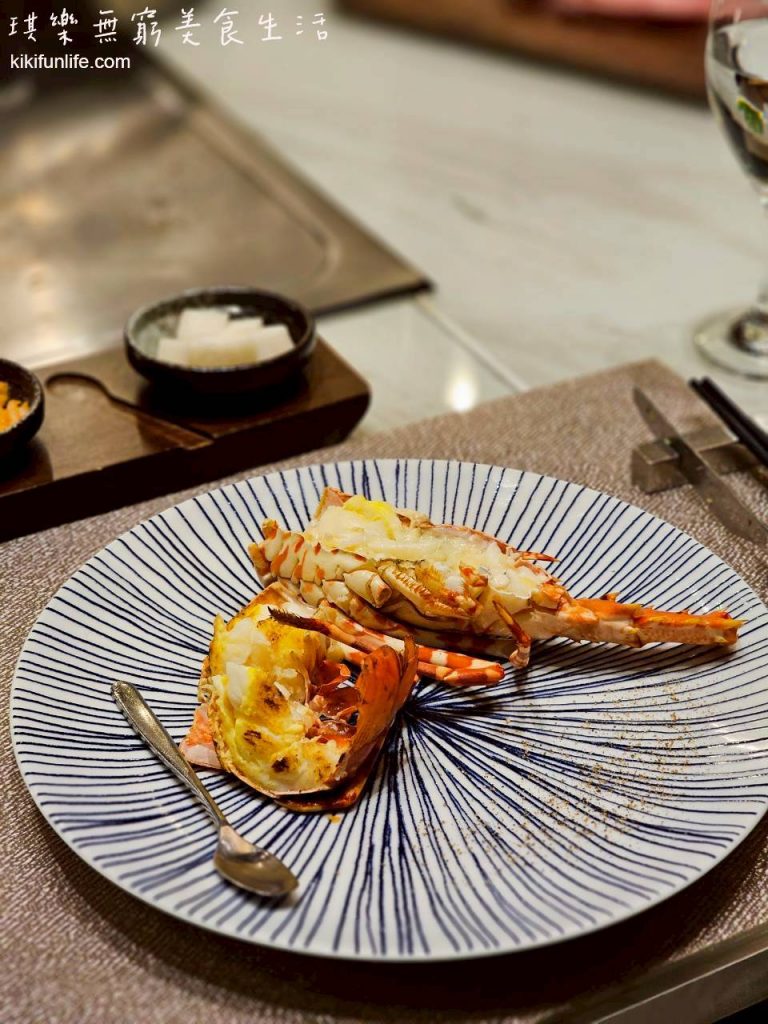
The doneness was perfectly controlled—one degree more would be too dry, one degree less too raw.
The Soul of Mori Teppanyaki: Deconstructed Beef Course
Teppanyaki restaurants generally fall into three levels.
The first focuses on portion size and satisfaction—affordable and heavily seasoned.
The second emphasizes visual presentation and value for money—luxurious plating featuring Wagyu, abalone, and lobster.
The third focuses on culinary essence—no rush, no emphasis on portion, no urgency for photos.
Mori Teppanyaki belongs to the third category and is one of the best teppanyaki in Taichung, Taiwan. This is why the Deconstructed Beef Course was born.
The “One Steak, Seven Ways” approach is extremely rare in the world.
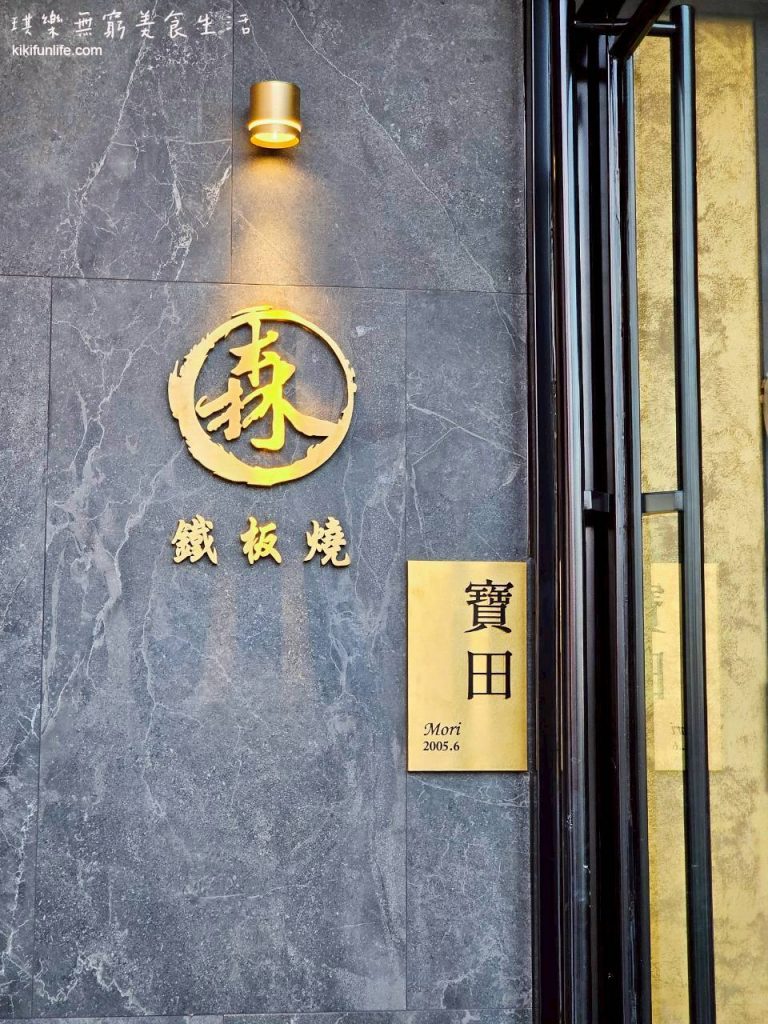
Chef Pao-tien Kuo developed this system over 20 years ago based on decades of teppanyaki experience.
The idea is simple: Not to cook one steak perfectly, but to present the same cut at its optimal state in multiple expressions.
The steak is not cooked all at once. It is prepared slice by slice according to the guest’s dining pace.
From the first cut, the full Deconstructed Beef Course takes about 20 minutes. This method requires immense patience and technique.
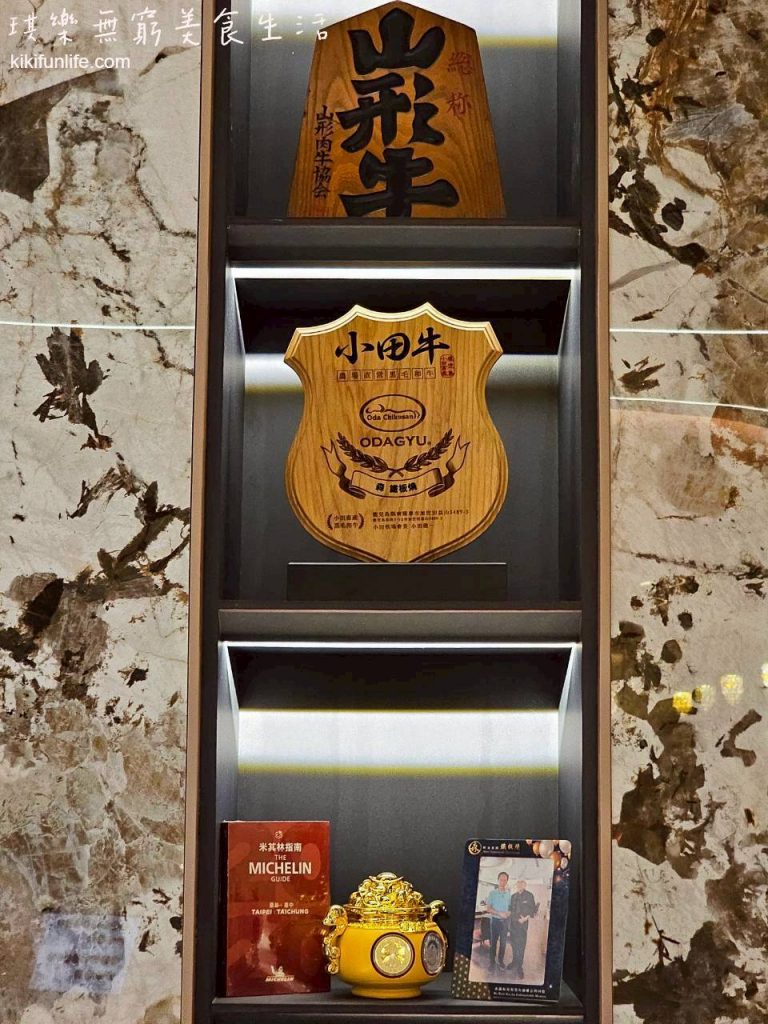
That day we selected Royal Oda Chikusan Wagyu, making this one of our most memorable wagyu teppanyaki Taichung dining experiences.
Currently, Mori Teppanyaki is the only teppanyaki restaurant in Taiwan serving Oda Wagyu.
Chef Kuo even personally traveled to Kagoshima to meet the ranch president.
Oda Wagyu is known for its balance between lean meat flavor and marbling. The fat has a low melting point and dissolves in the mouth without heaviness.
Unlike typical A5 Wagyu, it emphasizes the aroma and structure of the meat itself.
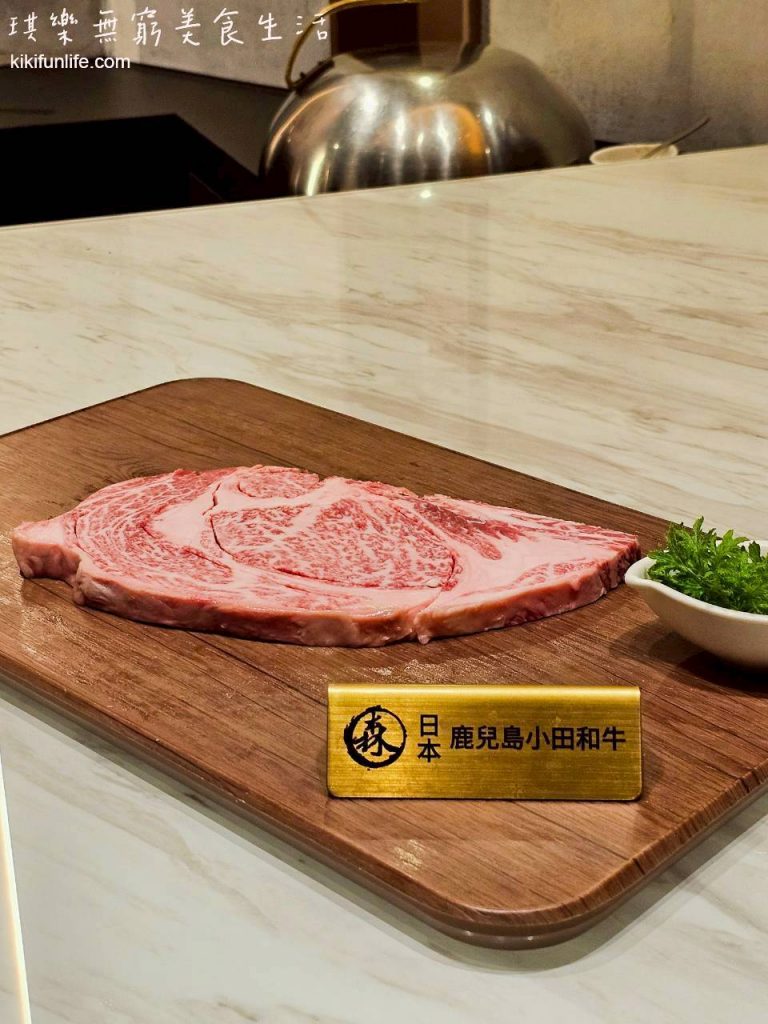
If your impression of Wagyu is overly rich and greasy, Mori’s Oda Wagyu will change your perspective.
If you are wondering where to eat wagyu in Taichung, Mori Teppanyaki will likely change your perspective.
(1) Diced Wagyu
The first course uses the traditional searing method. Both sides are placed against high heat to trigger the Maillard reaction.
The temperature must be precise. Too high, and fat escapes excessively. Too low, and proper caramelization does not form.
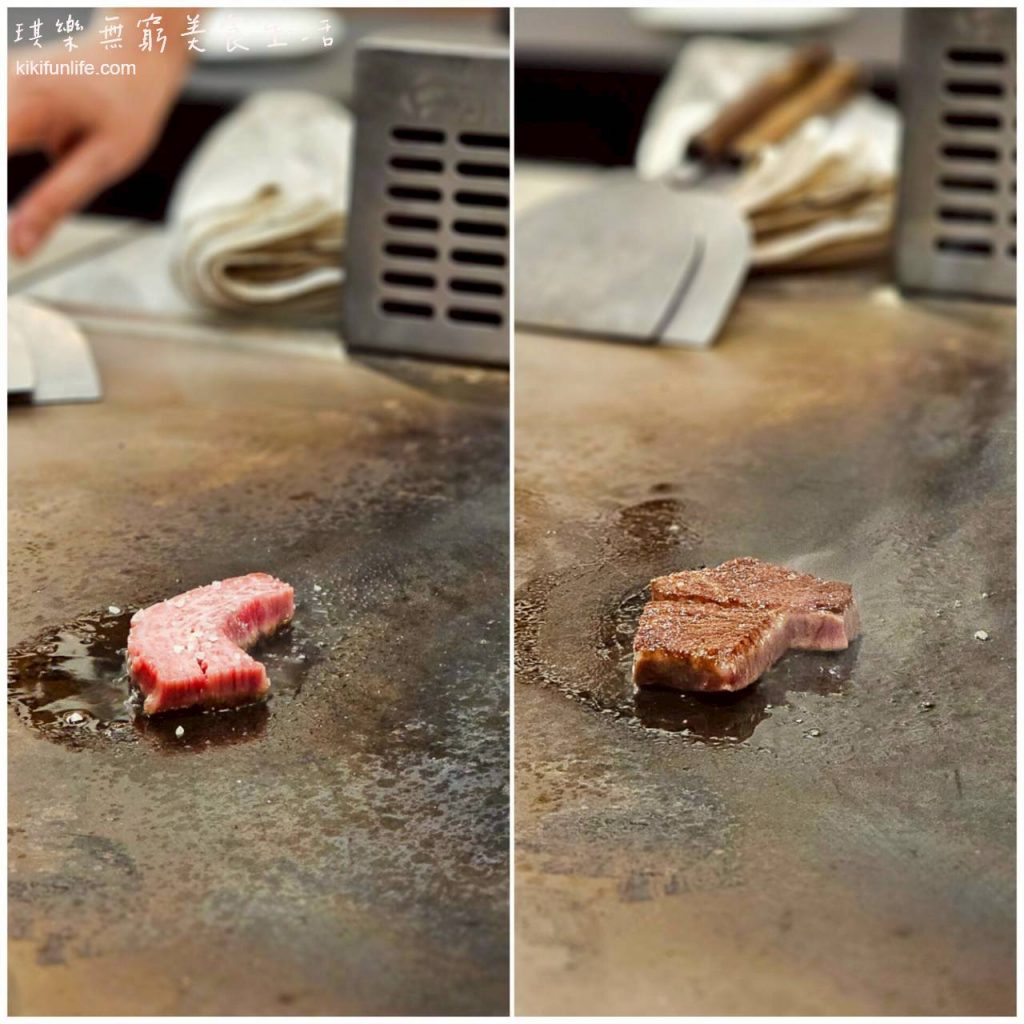
The exterior is crisp and aromatic, while the interior remains tender and juicy.
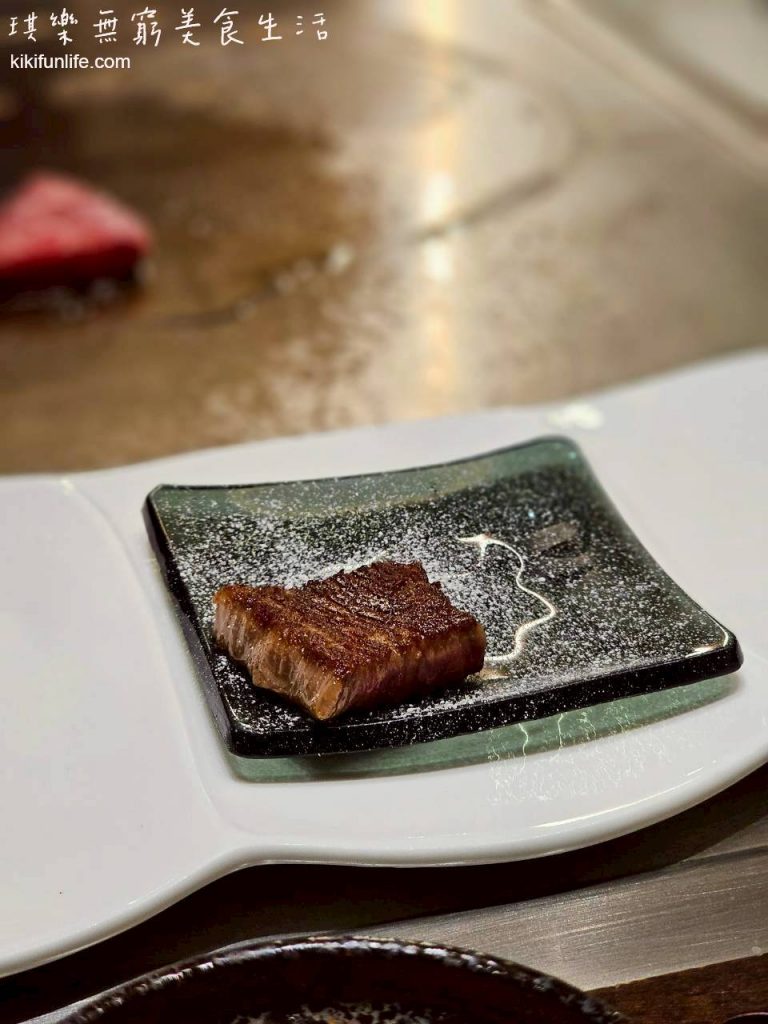
Seasoned only with rose salt to highlight natural sweetness.
(2) 6-Minute Wagyu
This course provides one of the most striking contrasts within the entire Deconstructed Beef Course.
One side of the Wagyu beef is placed flat against the iron griddle and left untouched for six full minutes. It is not flipped, moved, or disturbed.
The long single-sided heating creates a deeper caramelized structure on the contact surface, allowing the meat to gradually firm up.
On the opposite side, the chef carefully scores the surface with fine knife cuts. This allows heat to penetrate more evenly into the interior of the beef.
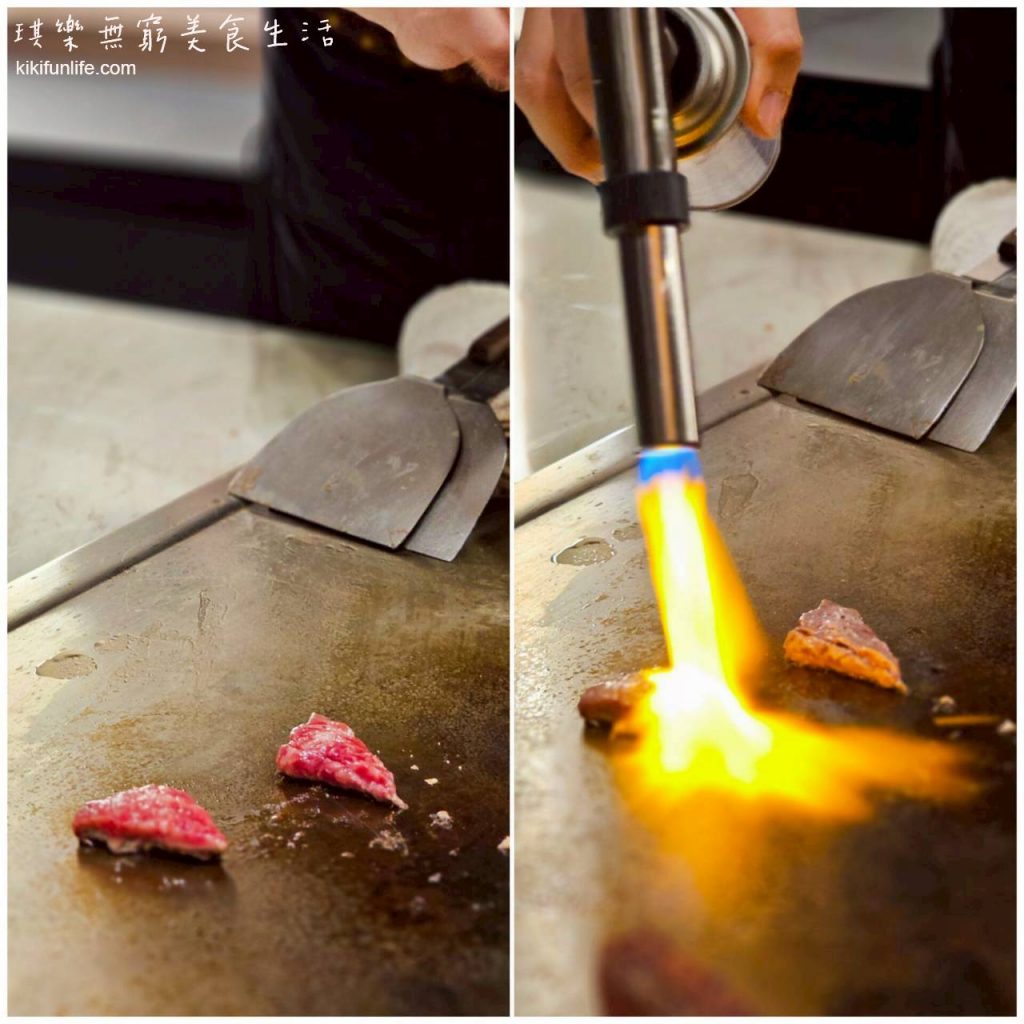
After that, French truffle salt is sprinkled over the meat. The chef then sprays Mori Teppanyaki’s exclusive truffle perfume.
When you take a bite, the soft side almost requires no chewing at all—the juices flow out naturally. The caramelized side delivers a deeper texture, almost reminiscent of charcoal-grilled beef.
In a single bite of Wagyu, you experience two completely different textures.
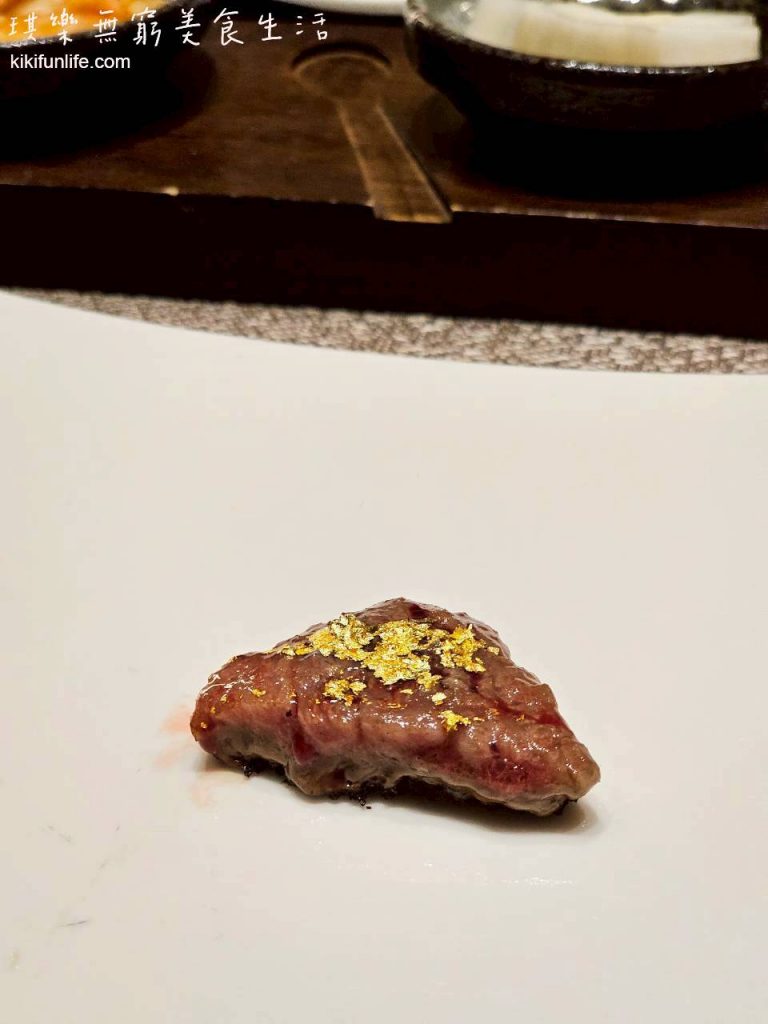
The truffle aroma is incredibly rich and fragrant. It blends with the natural fat and sweetness of the Wagyu beef, creating a more complex aromatic layer.
(3) 15-Second Wagyu
The 15-Second Wagyu may appear simple, but it actually demands extremely precise knife skills and judgment.
The chef lightly cuts along the grain on the surface of the beef using the spatula. This allows the intense heat from the iron griddle to penetrate the meat in an extremely short time.
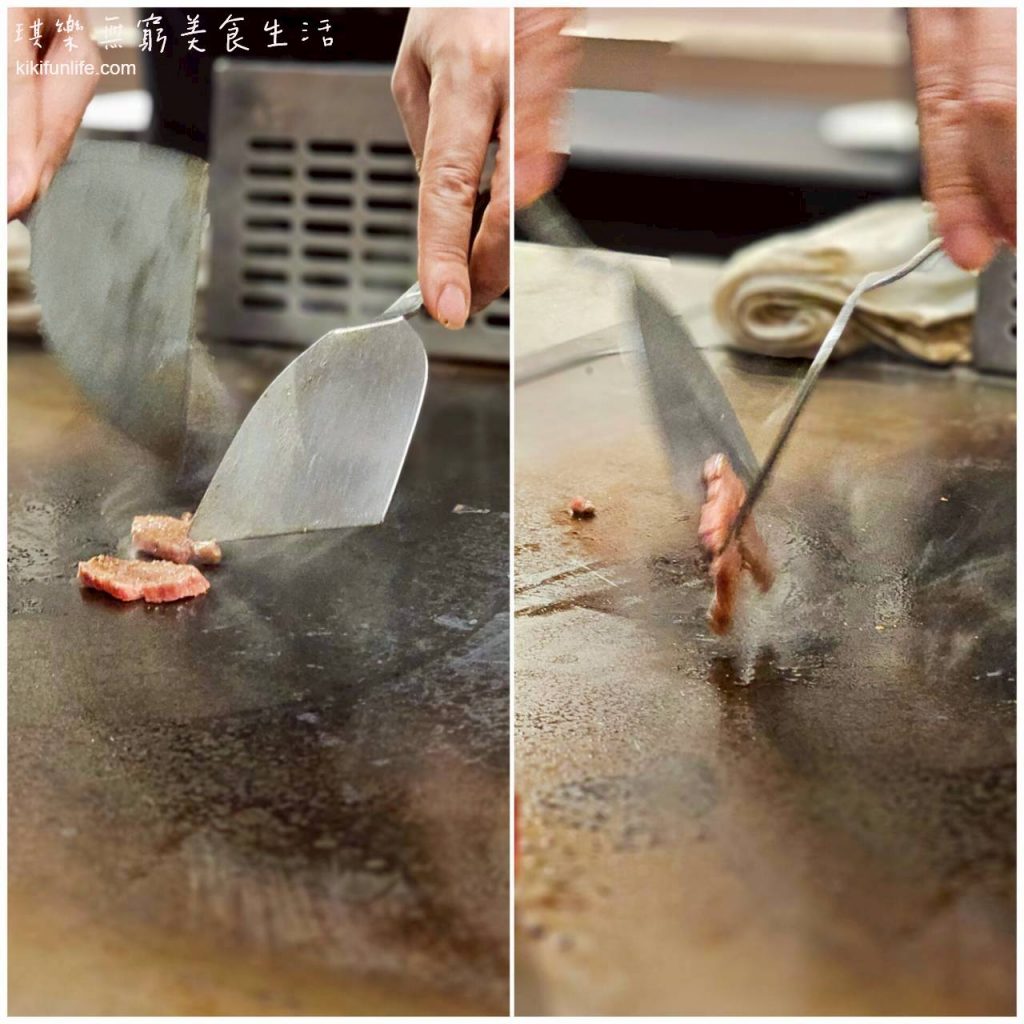
The beef is then flipped quickly. The entire cooking process lasts only about 15 seconds.
The outer layer develops just a subtle caramelized aroma, while the interior remains tender and juicy.
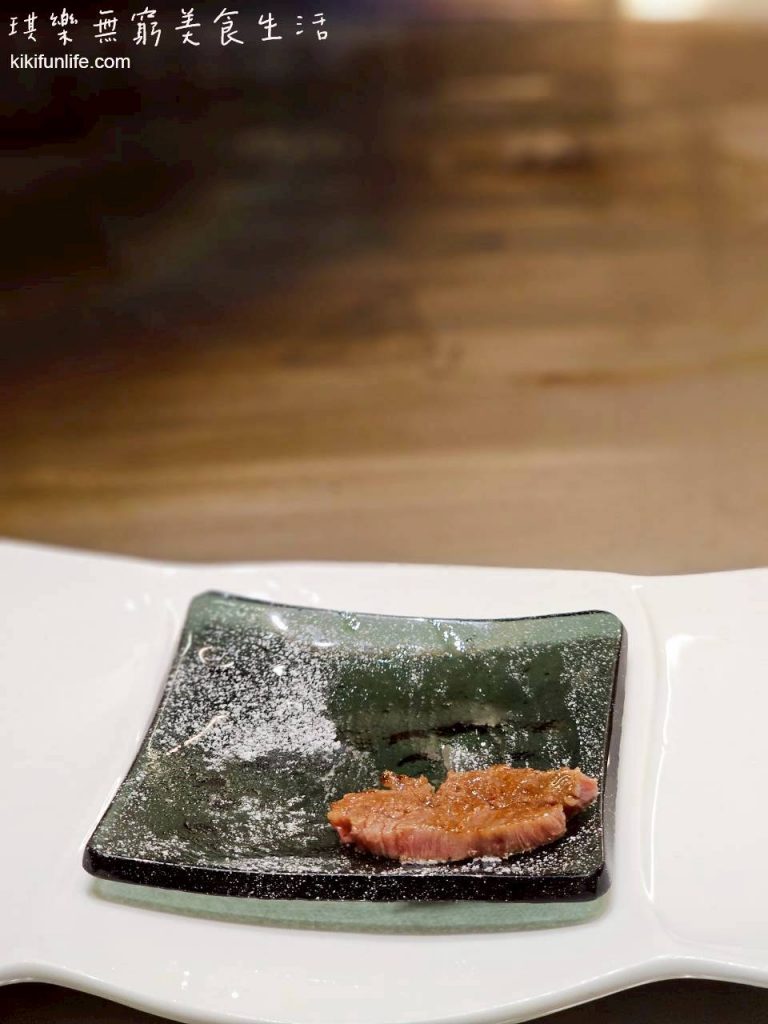
When you take the first bite, the initial sensation is the fragrance of the iron griddle. Then the natural sweetness of the Wagyu beef slowly unfolds.
The charm of this course lies in its extremely fast rhythm, yet the layers of flavor remain distinct.
It is not a heavy or indulgent experience, but rather a precise and clean expression of Wagyu.
(4) Wasabi Sprouts × 50-Second Wagyu
The 50-Second Wagyu focuses on balancing spice and richness.
Before tasting the beef, the chef invites you to try a bite of fresh wasabi sprouts.
The aroma of the wasabi immediately fills your mouth. It has a gentle sharpness that is slightly pungent but not overpowering.
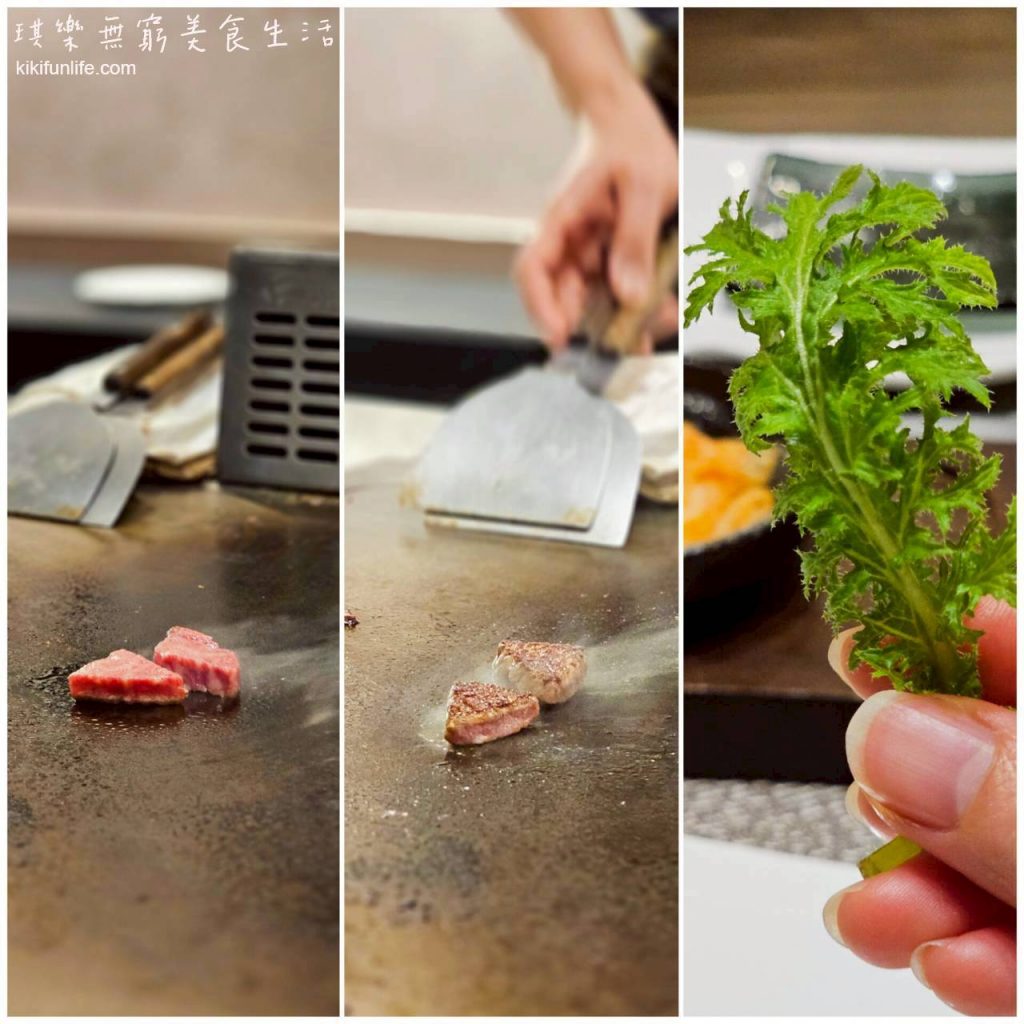
Then the Wagyu and wasabi sprouts are eaten together.
When the fat of the Wagyu wraps around the sprouts, the pungency transforms into a refreshing herbal aroma. At the same time, the crisp texture of the sprouts creates contrast against the softness of the beef.
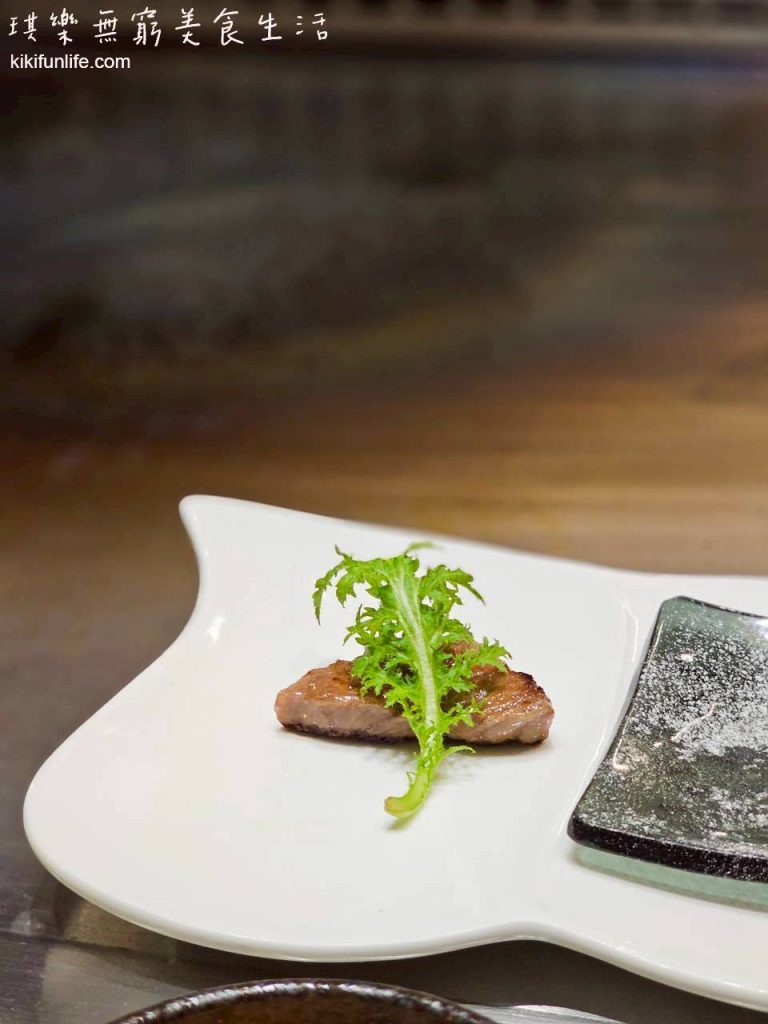
This was my first time experiencing a steak pairing like this.
Instead of using sauce to suppress the richness of Wagyu, Mori Teppanyaki uses the natural spice and freshness of wasabi sprouts to highlight the beef’s core sweetness and aroma.
(5) 20-Minute Wagyu
If the earlier dishes showcase intense bursts of heat, then the 20-Minute Wagyu represents patience and precise temperature control.
This piece of beef must be cut thick. Only a thick cut has enough structure to withstand long cooking without losing moisture.
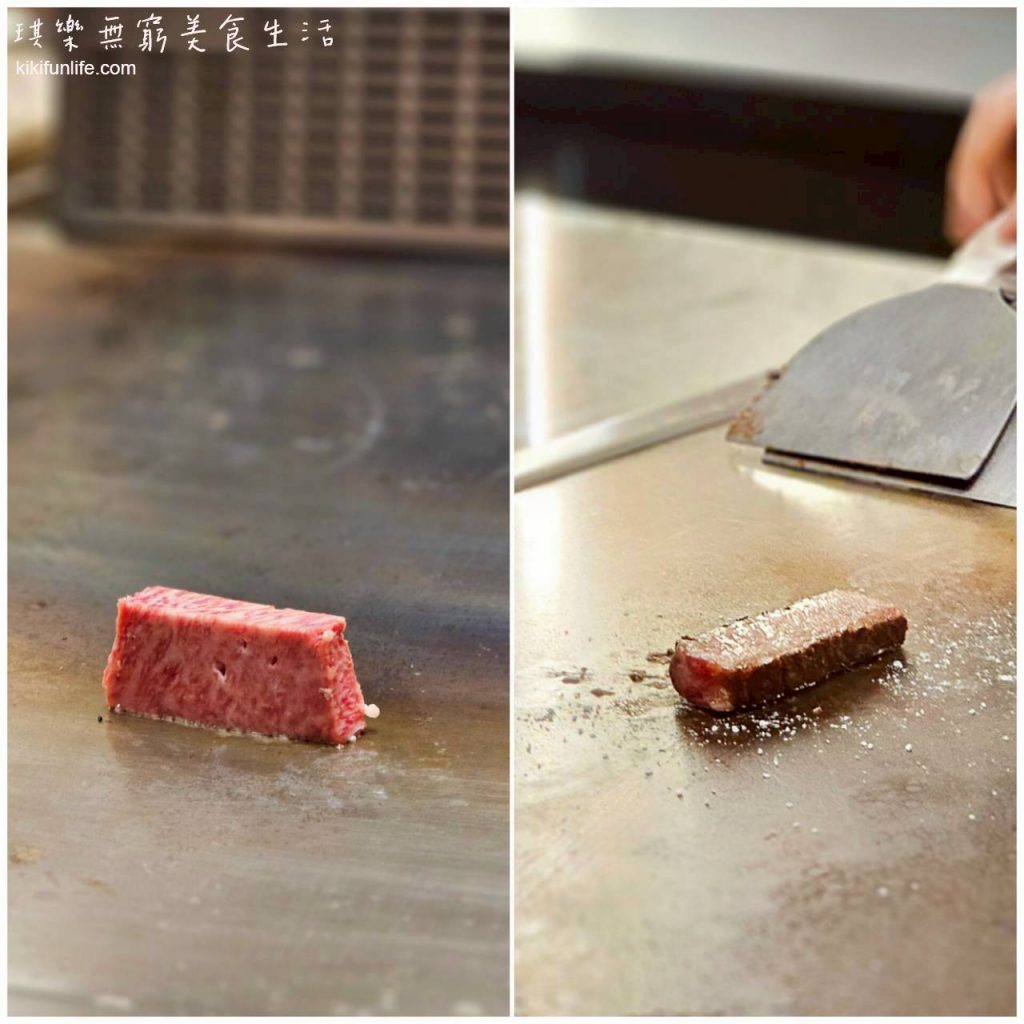
The chef intentionally places the beef on a lower-temperature area of the iron plate.
This allows heat to slowly penetrate rather than rapidly forcing out the fat.
Gradually, the outer layer forms a firm crust. This crust is not simply a charred surface—it is a dense structure built slowly over time.
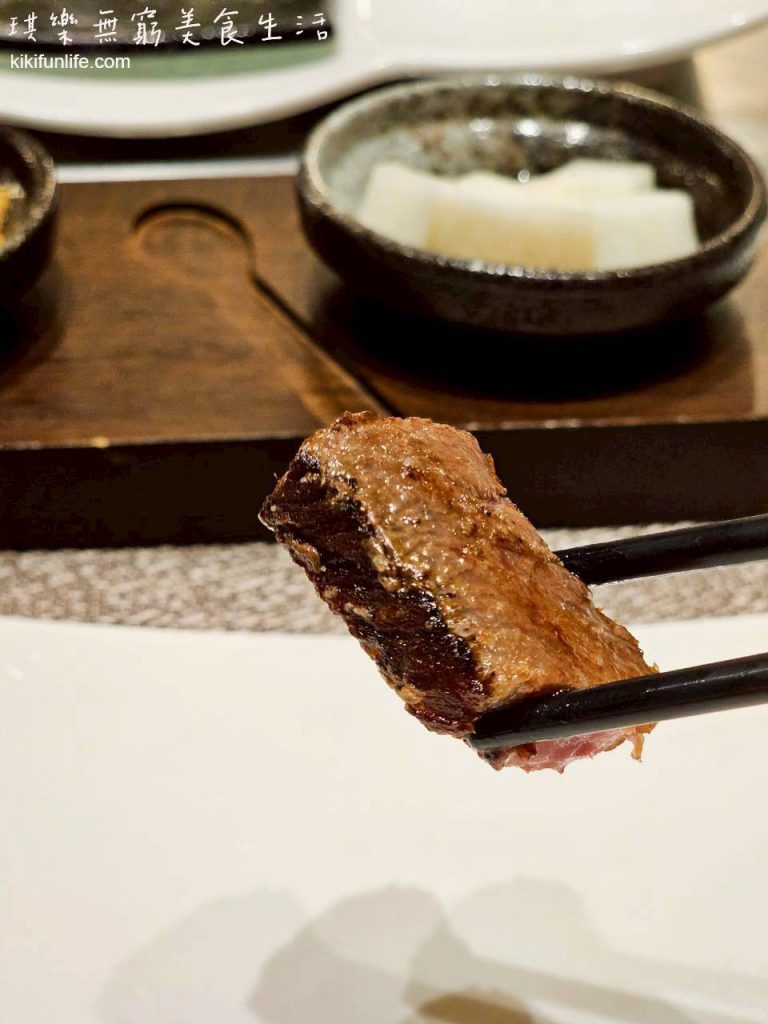
The first sensation when biting into the beef is the crisp texture of the crust. Inside, the meat remains tender yet structured.
The fat and juices do not explode immediately. Instead, they slowly release as you chew.
(6) 5-Second Wagyu
Once the thin slice of beef is placed on the iron plate, the chef quickly presses it flat using the spatula.
This ensures that the entire surface of the meat contacts the high heat instantly. You can clearly see the surface develop a beautiful caramelized color almost immediately.
At the same time, the sections that do not fully touch the iron plate remain slightly pink.
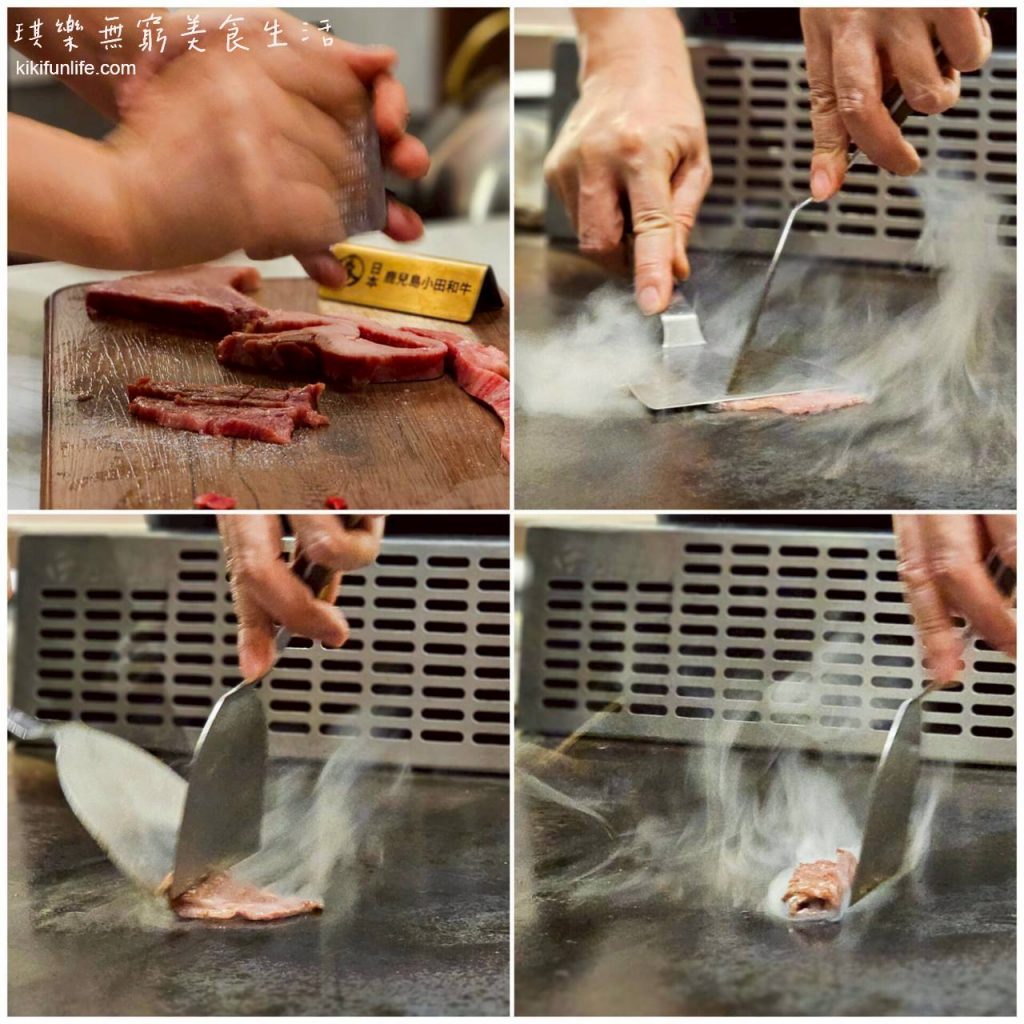
There is no complex seasoning here. Only the high heat of the iron griddle combined with the natural flavor of Wagyu beef.
The moment you bite into it, the fat and juices release simultaneously. The flavor is reminiscent of charcoal-grilled yakiniku.
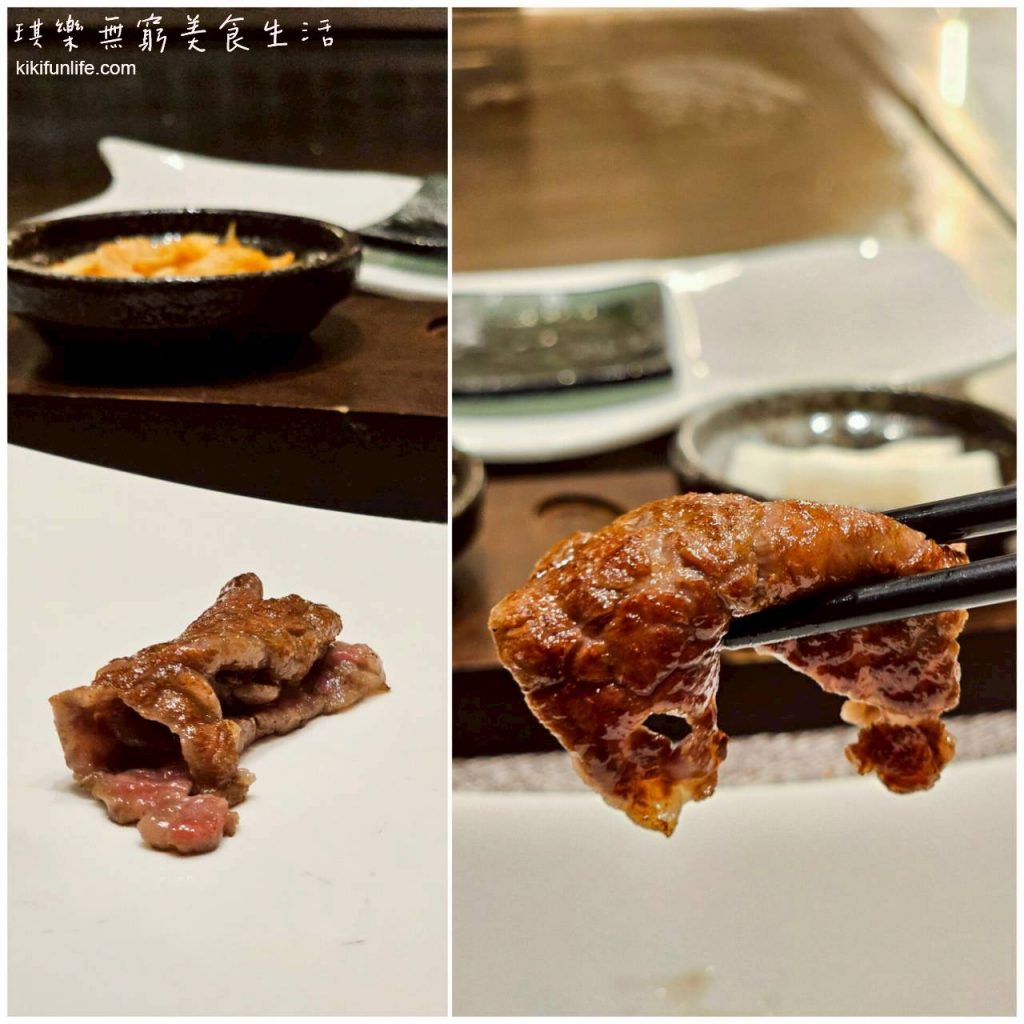
This dish truly demonstrates the chef’s extreme level of technical skill. It is simple, yet incredibly demanding in terms of experience and timing.
(7) Wagyu with Fat and Tendon
The final course focuses on the portion with the highest ratio of fat and connective tissue.
If this cut is undercooked, it will feel greasy. If the heat is too strong, the connective tissue becomes tough.
Therefore, the chef uses high heat to quickly render the excess fat while transforming the connective tissue into a gelatinous, springy texture.
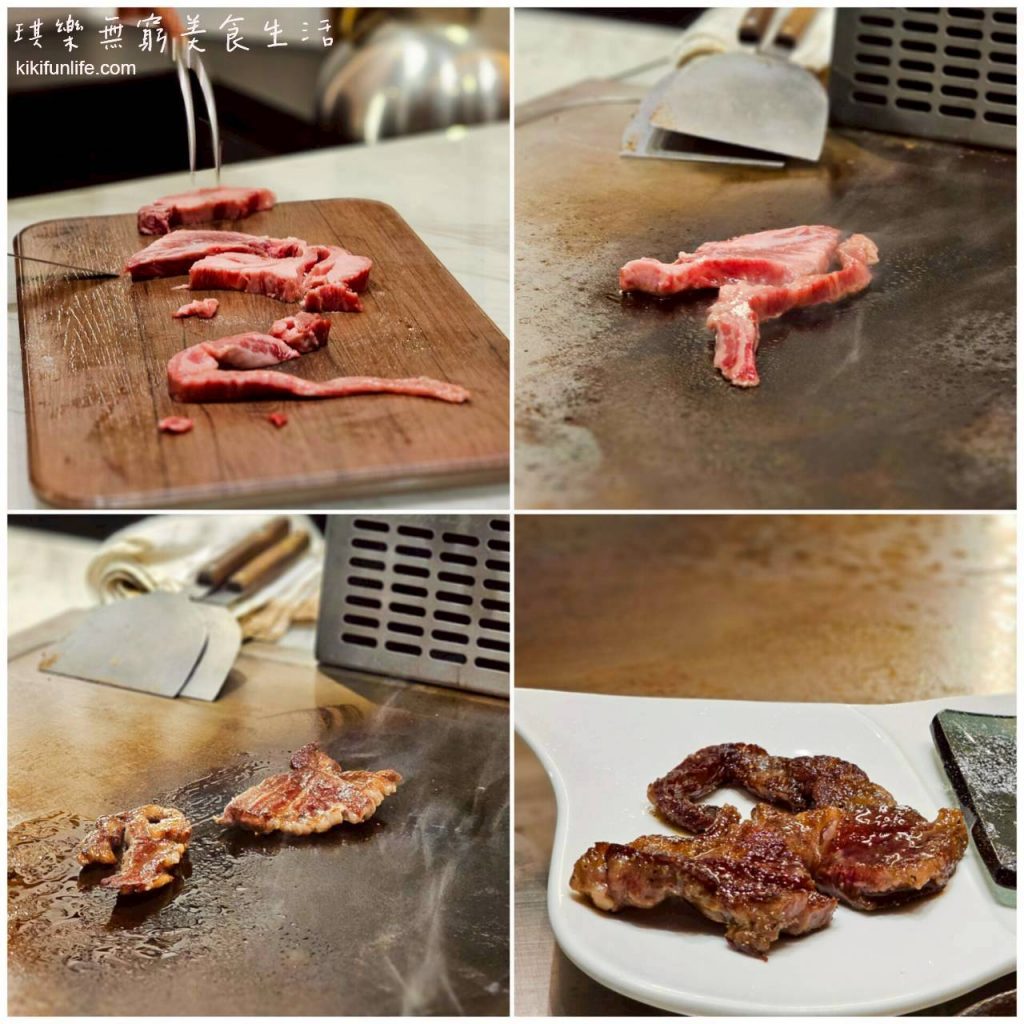
The finished Wagyu develops a noticeably crispy exterior. When you bite into it, the first sensation is a rich roasted aroma. Then you experience the firm meat texture combined with soft melted fat.
The tendon portion becomes elastic and gelatinous, releasing deeper beef aroma as you chew.
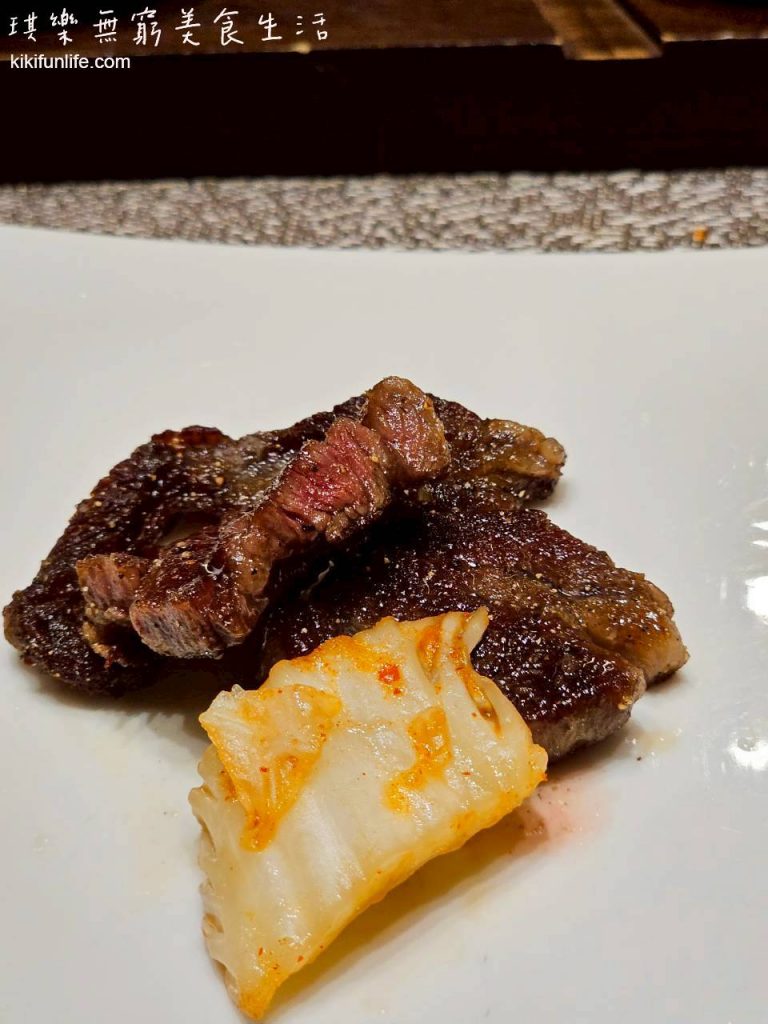
The seasoning is simple—only sea salt and black pepper to highlight the natural flavor.
If the richness feels too heavy, Mori’s house-made kimchi can be paired with it. The kimchi has a clean acidity that balances the fat without overpowering the Wagyu’s aroma.
Stir-fried Vegetable
After the series of Wagyu courses, the seasonal vegetables continue the flavor of the beef.
The chef uses the rendered Wagyu fat left on the iron plate as the cooking base. Fresh seasonal vegetables are then stir-fried.
That day, the vegetables included king oyster mushrooms and Chinese kale sprouts.
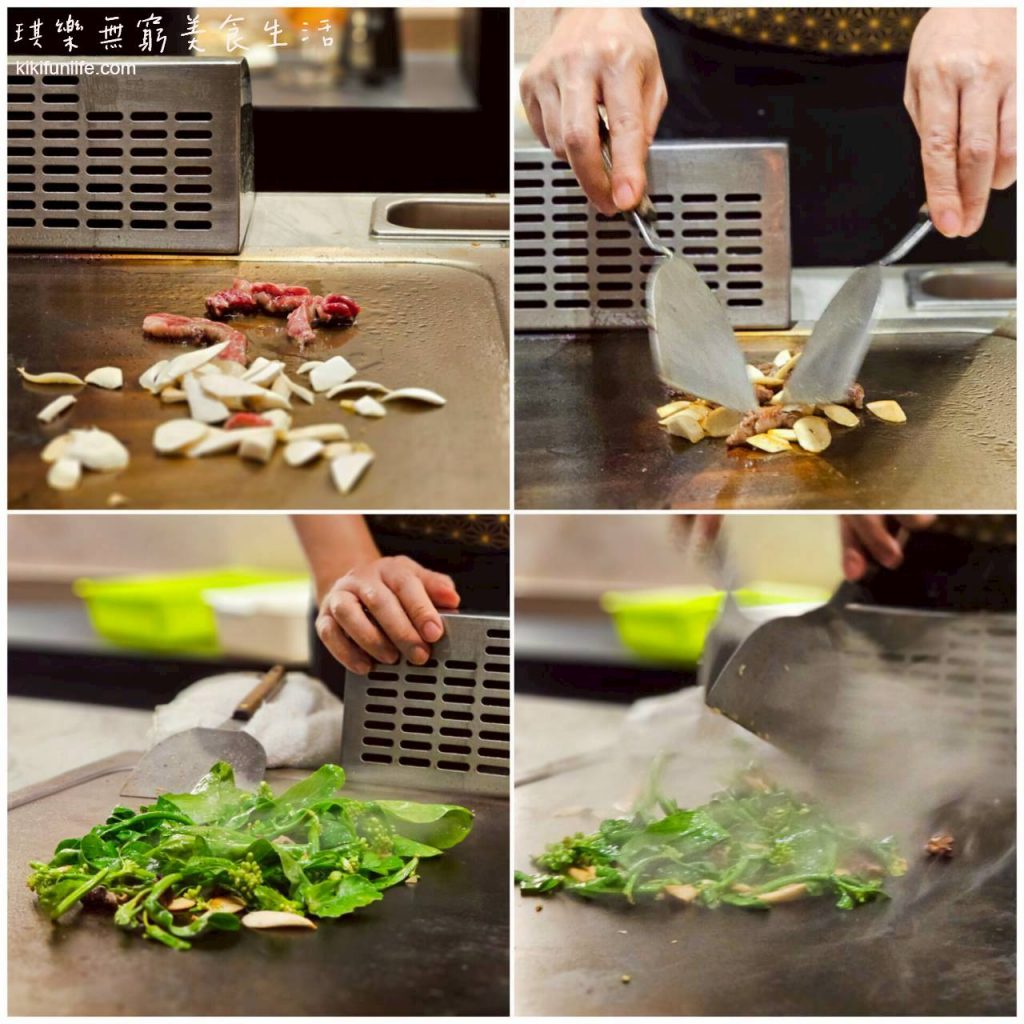
The key to this dish is precise control of heat and timing.
The vegetables are stir-fried quickly at high heat and removed immediately. This technique preserves their crisp texture.
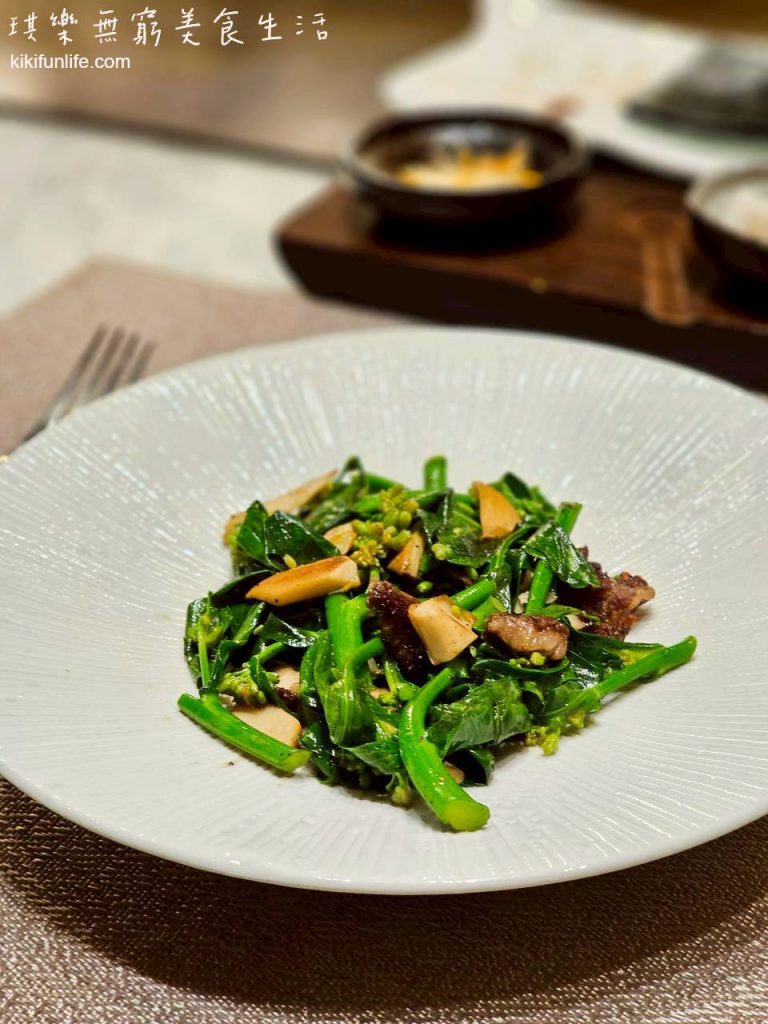
The king oyster mushrooms absorb the Wagyu fat and gain a richer flavor.
Meanwhile, the Chinese kale sprouts maintain their natural sweetness and refreshing crunch.
Seasonal Fruit
All the fruit served at Mori Teppanyaki is personally selected by Chef Pao-tien Kuo.
Even a single grape is carefully peeled.
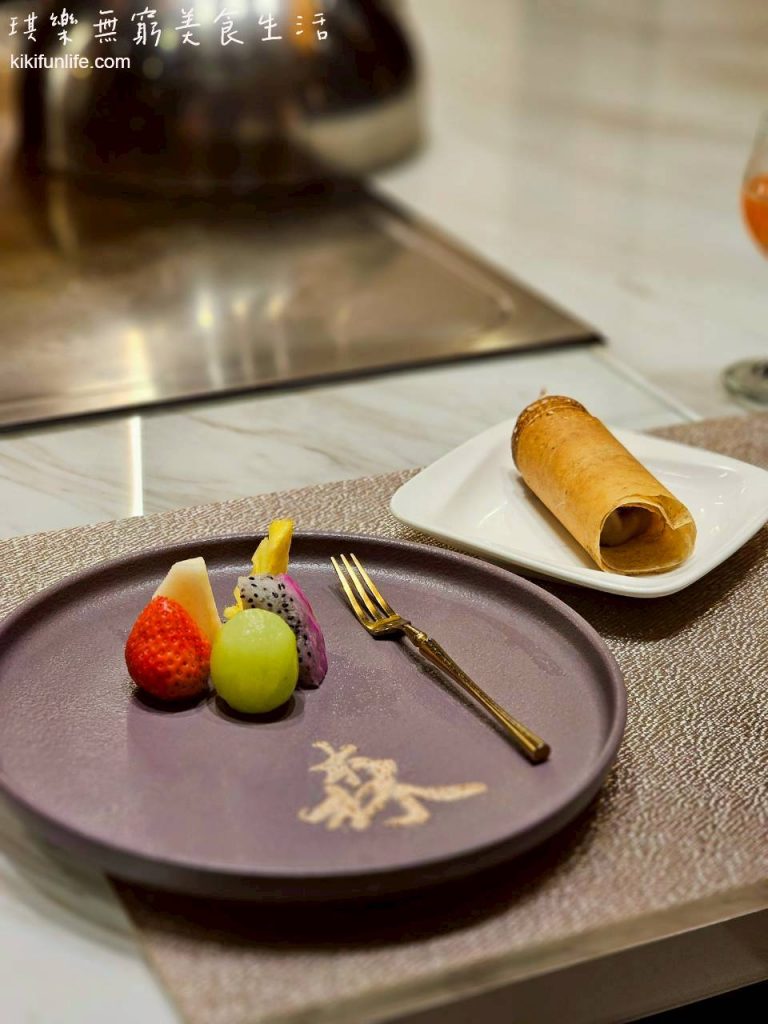
These small details reveal how seriously the restaurant takes the complete dining experience.
The fruit itself has a natural, clean sweetness. It helps the palate return to a lighter state after the rich meal.
On the plate, a delicate line of sweet-and-tangy plum powder forms the character “Mori (森)”. It is not merely decoration—it is a ritual that completes the meal.
Fresh Juice
Mori’s beverages also follow the philosophy of minimal processing.
The Tomato Plum Juice is freshly blended on site.
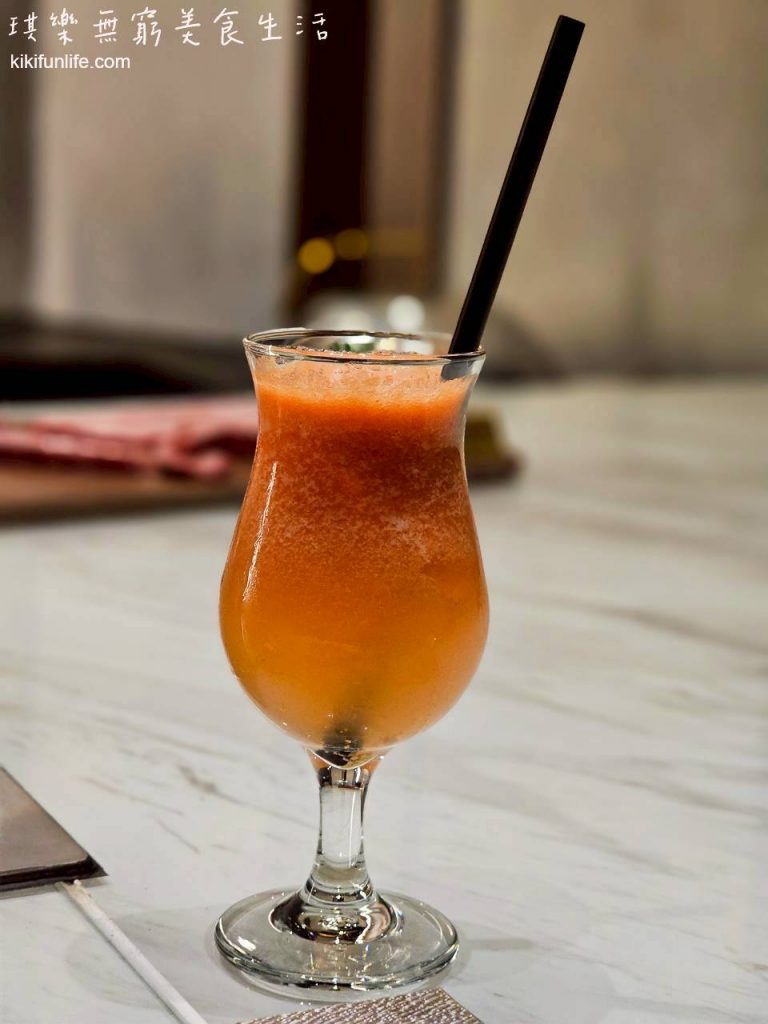
The natural sweetness of tomatoes blends with the light salty-sour note of plum. The drink is refreshing and clean.
Taro Crepe
Mori’s dessert is also prepared directly on the iron griddle.
The batter is spread thin into a delicate crepe and cooked until golden and crispy.
Inside the crepe is pan-seared taro paste that has been lightly browned on both sides.
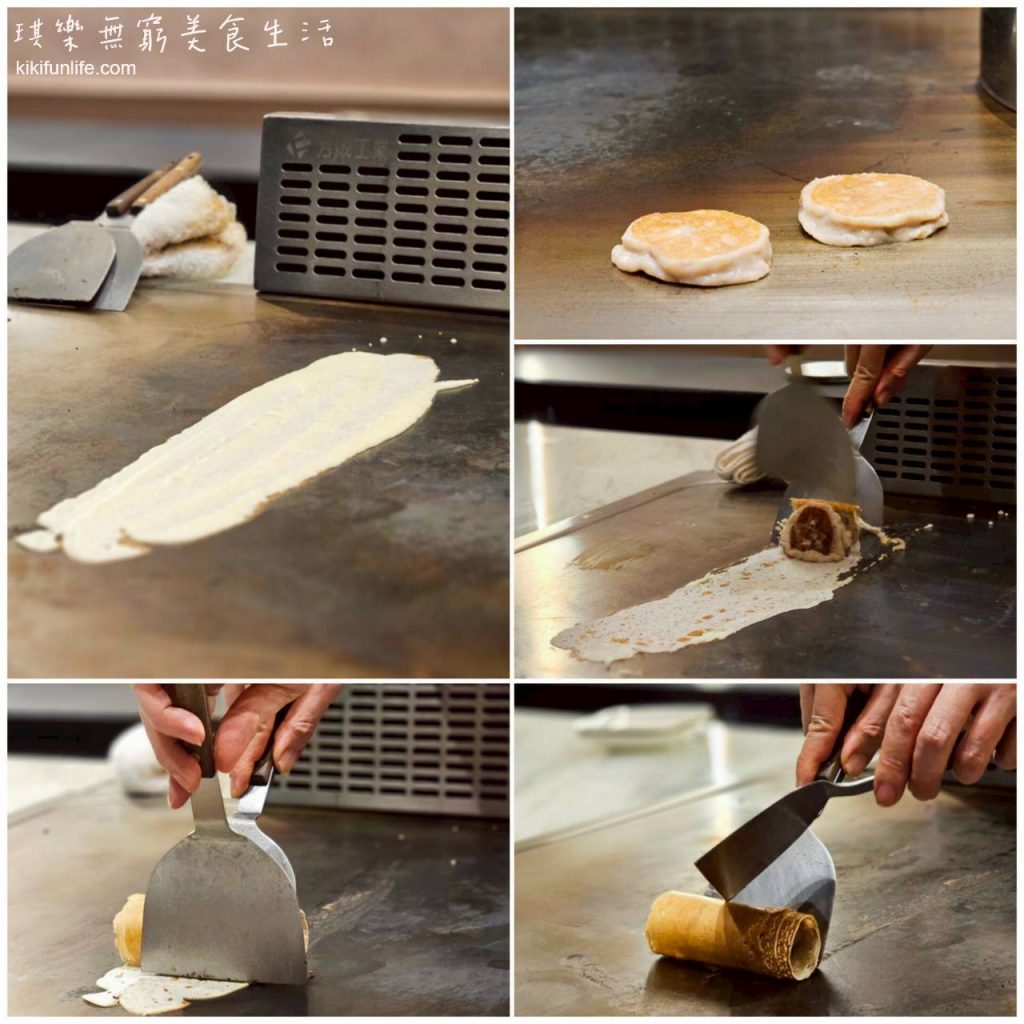
The crepe is then rolled neatly and quickly.
The outer crepe layer is crisp and produces a satisfying crunch when bitten. Inside, the taro filling is smooth and delicate.
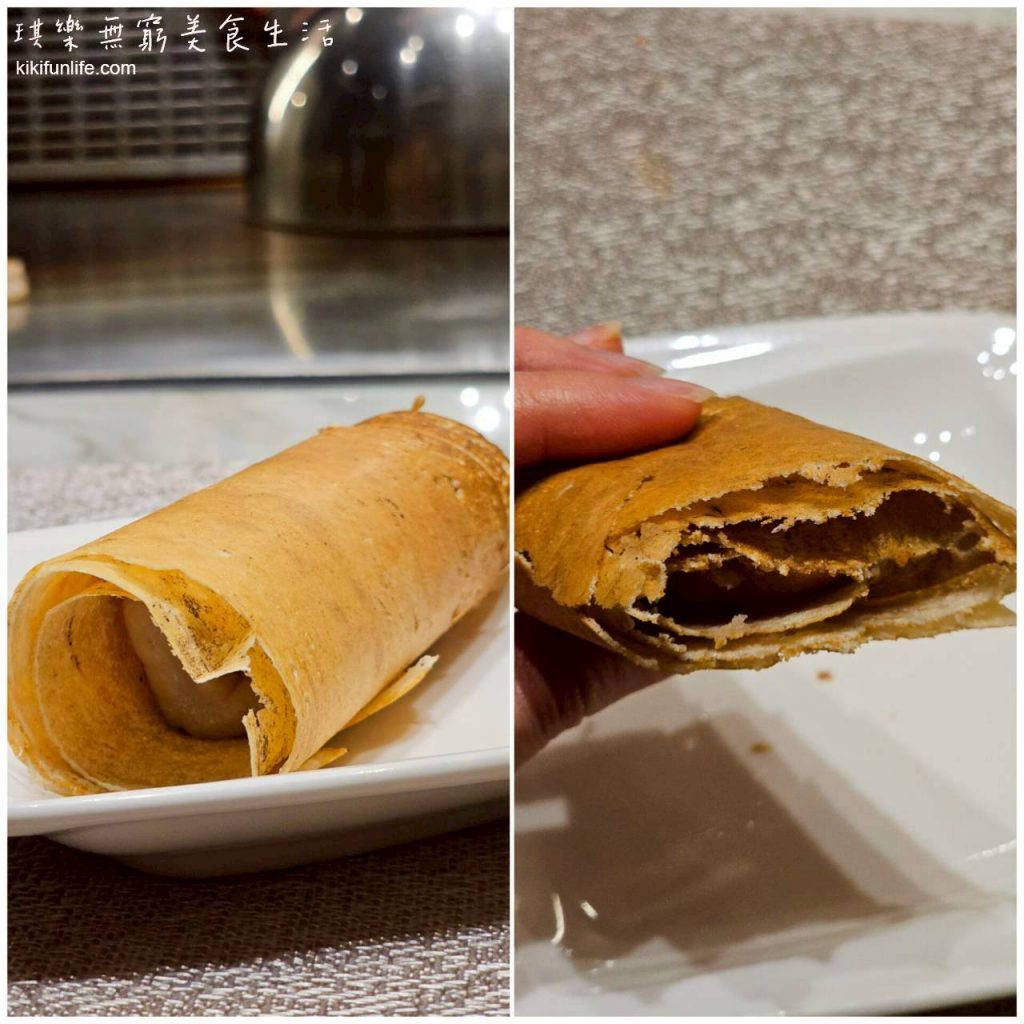
You can taste the fragrant aroma of Dajia taro along with a subtle hint of milkiness. The sweetness is perfectly balanced—not overly sugary.
It is truly a must-try dessert at Mori Teppanyaki and a satisfying ending to the meal.
My Review of Mori Teppanyaki
At Mori Teppanyaki, a single steak is carefully divided according to the natural grain of the meat, the connective tissue, and the distribution of fat. Each portion corresponds to a different heat setting and cooking method.
It is not simply about adjusting the doneness level. Instead, the goal is to present the beef in the most suitable texture under different conditions.
This Deconstructed Beef Course is not only the first of its kind in Taiwan. Even in Japan, where Wagyu culture is highly developed, it is rare to see the same cut of beef dissected and presented in such a detailed way.
Chef Pao-tien Kuo chose a labor-intensive path: allowing one piece of beef to be understood step by step.
This is not about deliberately creating something unusual. It is about a commitment to respecting the essence of the ingredient.
It is no surprise that over the years, many food lovers have consistently ranked Mori Teppanyaki as one of the best fine dining teppanyaki restaurants in Taichung, Taiwan.
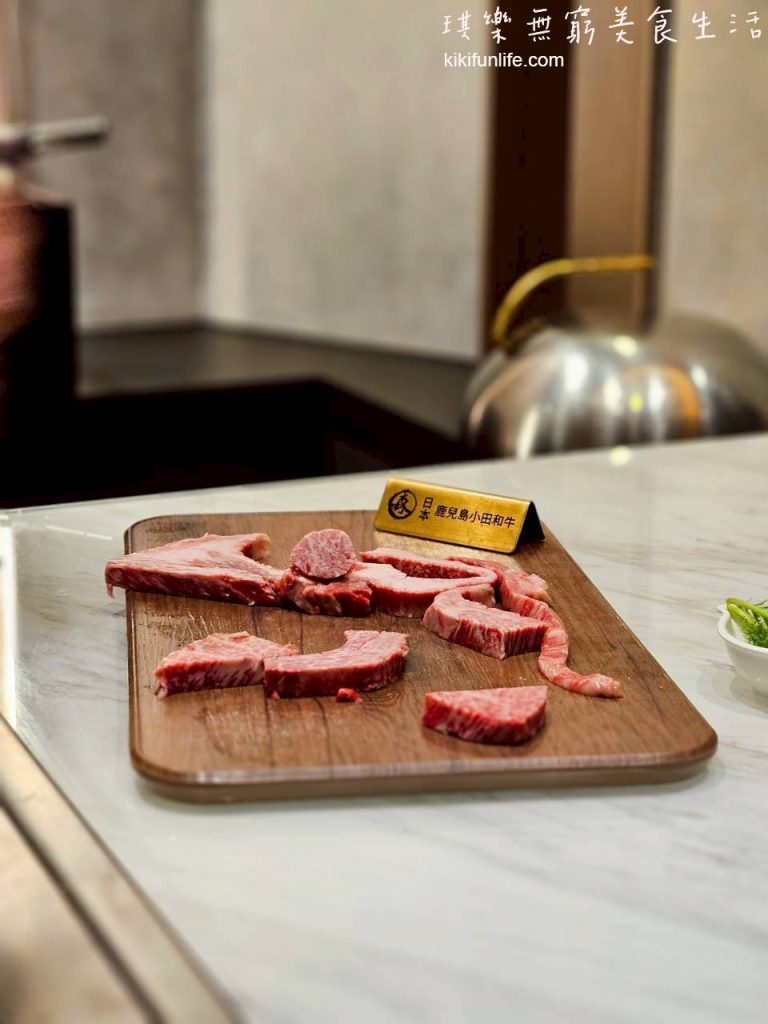
After finishing this meal, I realized that I had not simply eaten a premium Wagyu steak.
What I experienced was Chef Pao-tien Kuo’s decades of mastery in heat control and culinary philosophy.
The Deconstructed Beef Course at Mori Teppanyaki is not a fixed formula. As Chef Kuo continues to refine his experience, the details are still evolving.
For travelers wondering where to eat wagyu beef in Taiwan, Mori Teppanyaki offers a truly memorable experience.
If you are searching for Taichung date night restaurants, or planning a memorable dinner with family or friends, Mori Teppanyaki is truly a restaurant that conveys sincerity and craftsmanship.
For travelers looking for Taichung anniversary dinner ideas, dining here is not just a meal—it is a complete culinary rhythm.
Price of Mori Teppanyaki
The latest Mori Teppanyaki menu and pricing can be checked through their official Line account.
In fact, Mori Teppanyaki does not only serve premium Wagyu. They also offer live seafood, lamb chops, Iberico pork, and chicken steak, giving diners a wide range of choices.
Even the basic chicken steak uses antibiotic-free Sun Moon Lake Black Tea Chicken from Nantou, showing Mori’s strict standards for every ingredient they use.
Restaurant Information
Mori Teppanyaki isone of the highest-rated restaurants in Xitun District of Taichung, and often appears on the Taiwan fine dining restaurant list.
Address
No. 99, Malongtan Road, Xitun District, Taichung City, Taiwan
Parking Information
There are parking spaces directly in front of the restaurant, and a partner parking lot located next to Mori Teppanyaki.
Online Reservation
You can make reservations through inline online booking or by phone: (04) 23827779
Business Hours
Open daily throughout the year.
Lunch: 11:30 – 14:00
Dinner: 17:30 – 22:00
Is There a Dining Time Limit?
The dining time limit is 90 minutes.
However, except during major holidays when reservations are very full, the restaurant generally does not rush guests if they stay longer.
Is There a Minimum Spending Requirement?
Mori Teppanyaki does not require a minimum spending amount.
Payment Methods
Payments can be made by cash or credit card.
Official Website
Official Instagram: @moriteppanyaki
Dining Date: February 3, 2026


Related posts:
 “Jiu Ling Beef Noodle Soup” – Exploring the Taiwanese Delights? You Must Try Beef Noodles! [Taichung, Taiwan: Restaurant Recommendation]
 “Chamonix Teppanyaki” – Sizzling Delights with Fire and Flavor [Taiwanese Restaurant Recommendation]
 “Miss Steak” – A Steakhouse That Has Unprecedented New Flavors and Creative Cuisine [Taichung, Taiwan: Restaurant Recommendation]
 “Fi Garden Italian Restaurant”– Best Italian Cuisine and Fine Dining in Taichung, Taiwan with Buy-One-Get-One Steak Set Promotion

